
A Couple’s Duet of Love & Lust
Play A Couple’s Duet of Love & Lust
A Couple’s Duet of Love & Lust Screenshots
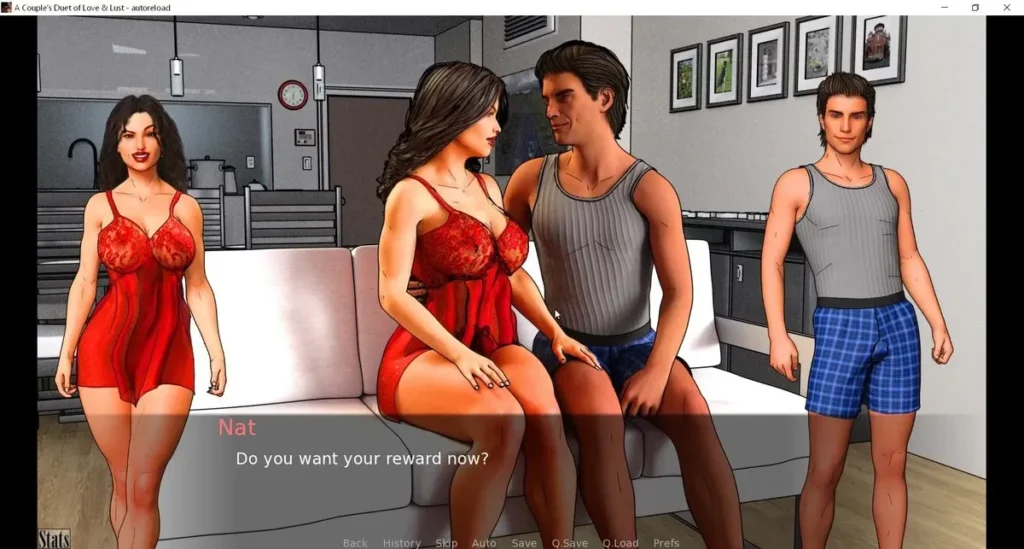



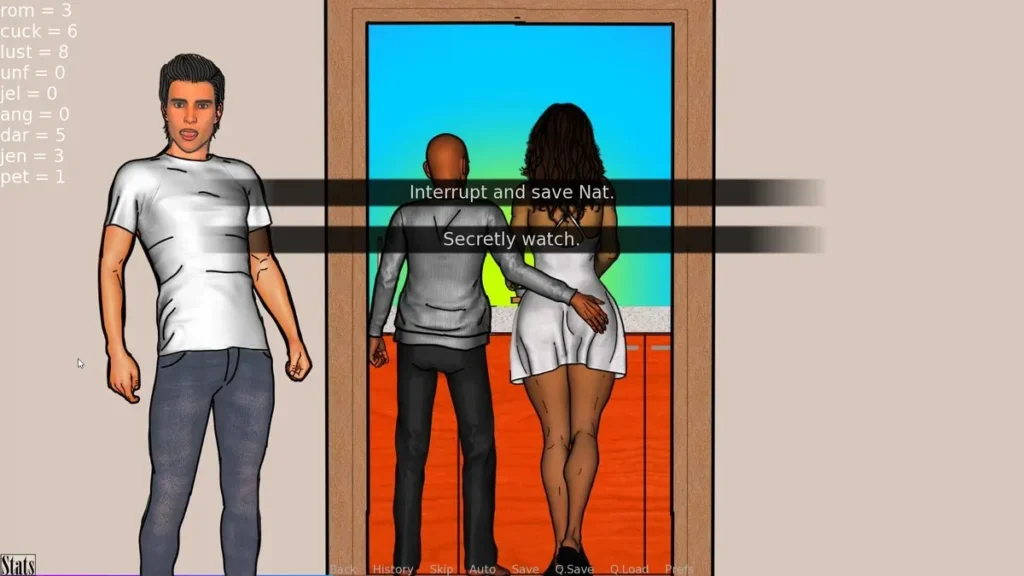








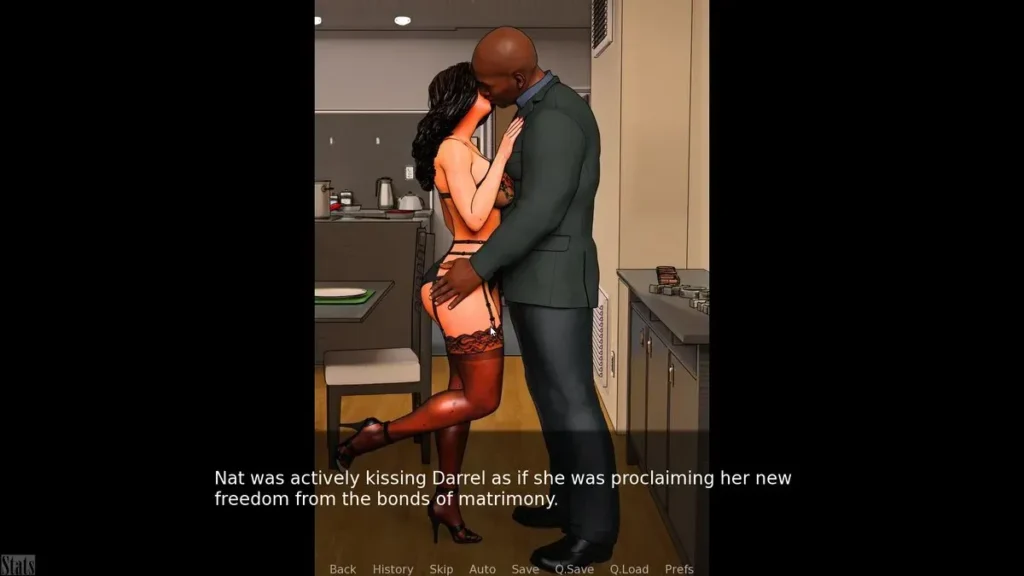






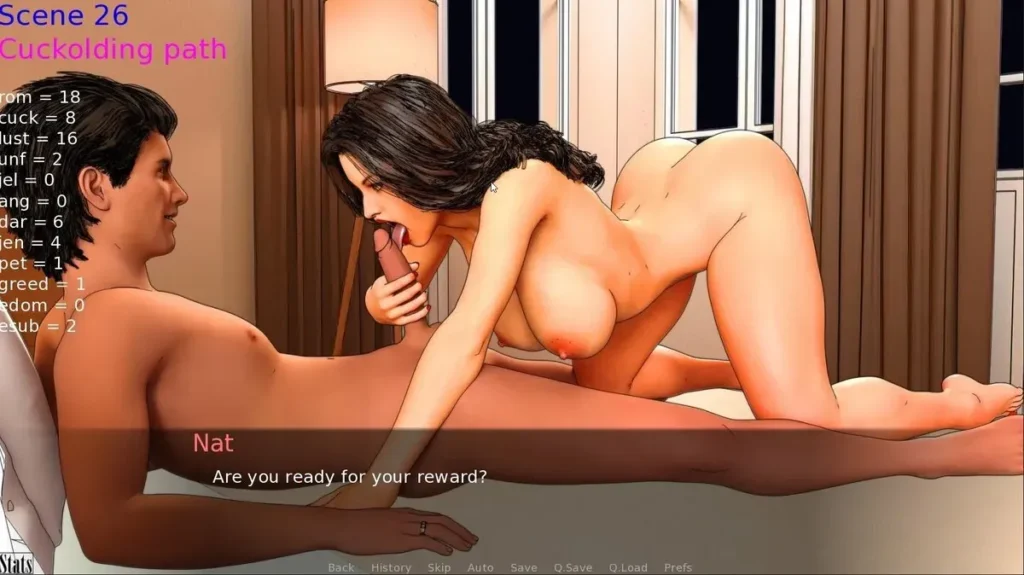





A Couple’s Duet of Love & Lust review
Master the narrative choices, relationship dynamics, and intimate scenarios in this interactive relationship simulator
A Couple’s Duet of Love & Lust is an interactive narrative game that explores the complexities of modern relationships through player-driven choices and consequences. The game follows a young married couple navigating a new neighborhood after relocating due to financial challenges. As players progress, they encounter various scenarios that test their relationship dynamics, trust, and boundaries. This comprehensive guide covers everything you need to know about gameplay mechanics, character interactions, choice outcomes, and how your decisions shape the couple’s journey. Whether you’re new to the game or looking to unlock different storylines, understanding the relationship stat system and narrative branches is essential for experiencing all the game has to offer.
Understanding A Couple’s Duet Gameplay Mechanics and Story Structure
Welcome to the neighborhood! 😊 If you’re diving into A Couple’s Duet of Love & Lust, you already know it’s more than just a game—it’s an experience. You’re not just controlling a character; you’re guiding a relationship, making choices that feel real, and navigating the thrilling, sometimes messy, dynamics of a marriage in a new environment. This chapter is your roadmap to understanding the engine under the hood. We’re going to break down the A Couple’s Duet gameplay mechanics, the story structure, and everything you need to turn your playthrough into a masterpiece.
Think of it like this: my first time playing, I treated it like a simple visual novel. I clicked choices that felt good in the moment, not thinking about the long game. Big mistake! 🚨 I ended up with a storyline where my characters were constantly at odds, missing out on some of the game’s most captivating intimate and connective scenarios. I had to start over, and that’s when I truly appreciated the genius of its systems. This interactive fiction game is a delicate dance, and learning the steps is key. So, let’s get you from novice to narrative maestro.
How the Relationship Stat System Works in A Couple’s Duet
At the absolute core of the A Couple’s Duet gameplay mechanics is its brilliant and nuanced relationship stat system. This isn’t a simple “like/dislike” meter. It’s a complex web of emotions and power dynamics that silently judges your every decision. 🧠 You won’t see these numbers flashing on screen during every scene—and that’s intentional. The game wants you to feel the consequences, not just watch a bar fill up.
This system tracks a spectrum of feelings between the main couple, Ethan and Nat, as well as their perceptions of others. Every dialogue choice, every private thought you vocalize, and every action you take will nudge these hidden stats up or down. The game then uses this ever-evolving emotional profile to determine which scenes you unlock, how characters react to you, and ultimately, which ending path you’re walking toward.
Let’s get practical. Say you’re at a neighborhood barbecue. Peter, the charming and flirtatious neighbor, compliments Nat’s cooking. You, as Ethan, have a choice:
* Option A: “Thanks, Peter! She worked really hard on it.” (This might slightly increase Romance with Nat and foster friendly character relationships with Peter).
* Option B: Give a tight smile and change the subject. (This could increase Jealousy and Dominance, while decreasing trust or openness).
Neither is “right” or “wrong.” They’re tools for crafting your unique story. A playthrough focused on high Romance and low Jealousy will be a profoundly different experience from one where Lust and Submission are the driving forces. The beauty is that you can mix and match! Maybe you want a relationship that is deeply romantic but also explores submissive desires. The relationship stat system allows for that specific cocktail.
To help you keep track of what’s what, here’s a breakdown of the key metrics you’re managing:
| Stat Name | What It Represents | How It Typically Increases | Impact on Story Outcomes |
|---|---|---|---|
| Romance | Deep emotional connection, affection, and loving partnership. | Choosing supportive, loving dialogue; planning thoughtful gestures; prioritizing your partner’s emotional well-being. | Unlocks tender, committed relationship scenes; influences “happily ever after” style endings; reduces conflict triggers. |
| Jealousy | Possessiveness, insecurity, and fear of losing your partner’s attention. | Reacting negatively to flirtation (from either side); making accusatory statements; discouraging independent socializing. | Triggers arguments and conflict scenes; can lead to dramatic, turbulent endings; may open or close certain possessive story branches. |
| Lust | Raw physical desire and openness to sexual exploration. | Engaging in or initiating intimate scenarios; choosing flirtatious or suggestive dialogue; expressing physical attraction. | Unlocks more explicit intimate content; opens narrative paths for sexual adventures and experimentation, both within and outside the marriage. |
| Dominance | A desire for control in the relationship and intimate dynamics. | Making decisive, take-charge choices; initiating scenarios; using commanding language. | Shapes power dynamics in scenes; can lead to narratives where one partner leads the exploration; pairs with Submission for specific kink-oriented paths. |
| Submission | A willingness to relinquish control and follow a partner’s lead. | Agreeing to a partner’s suggestions; using deferential language; choosing compliant actions in tense or intimate moments. | Complements high Dominance in a partner; unlocks scenarios centered on surrender and trust; essential for certain relationship equilibrium endings. |
| Trust/Openness | The foundation of honesty and vulnerability between partners. | Sharing honest feelings (even difficult ones); keeping promises; communicating openly about desires. | Critical for avoiding game-over breakdowns; enables the most complex and rewarding shared-experience endings; affects how characters perceive Darnell’s mentorship. |
💡 Pro Tip: Don’t try to max out every stat! It’s impossible and will lead to a contradictory, messy story. Instead, pick 2-3 core stats that align with your desired relationship archetype and focus your choices on nurturing those. Think of it as defining your couple’s personality.
Navigating Branching Narrative Choices and Their Consequences
This is where A Couple’s Duet truly shines as a interactive fiction game. The story isn’t on rails. It’s a sprawling tree, and every choice you make is like stepping onto a new branch. Some branches are thick and lead to whole new areas of the forest. Others are dead ends that loop you back to the main path. Understanding this structure is crucial to mastering the A Couple’s Duet gameplay mechanics. 🌳
The branching narrative choices operate on two key principles: immediate consequence and narrative memory.
-
Immediate Consequence: This is the direct reaction to your choice. Nat might smile or frown. Ethan might feel emboldened or ashamed. The relevant relationship stat system metrics shift instantly. You feel the impact right away in the next line of dialogue or the character’s expression.
-
Narrative Memory: This is the game’s long-term memory. The game remembers that seemingly small choice you made in Chapter 2. For example, if you consistently encourage Ethan to work late and be secretive about his phone, that behavior is logged. Much later, when a scenario about trust arises, the game will reference that established pattern, making Nat’s suspicion feel earned and the resulting conflict more intense. This creates incredibly powerful choice consequences.
Let me give you a case study from my own “adventurous” playthrough. Early on, I had Ethan agree to a secret after-work drink with a colleague. It was innocent, but I chose the option to hide it from Nat. This raised Lust and Jealousy slightly. Fast forward several episodes, when the charismatic neighbor Peter suggests a couple’s swap idea. Because my history showed a pattern of secrecy and rising Lust, the game presented me with a branching narrative choice to entertain the idea privately that would have been completely absent in a more conservative, romance-focused playthrough. The choice consequences from hours prior had literally unlocked new narrative potential.
Here’s how to navigate this web strategically:
- Save Often and Use Multiple Slots: This is non-negotiable. Before any major decision (marked by a change in music or a full-screen choice prompt), create a new save. This lets you explore different branching narrative choices without losing dozens of hours of progress. It’s the best game walkthrough guide tip you’ll ever get!
- Embrace the “Wrong” Choice: Some of the most compelling storytelling comes from conflict and mistake. Don’t reload immediately just because an argument starts. Play it out! You might discover a heartbreakingly beautiful reconciliation scene or a new dimension to a character that only appears on rocky paths.
- Pay Attention to Your Partner’s Non-Verbal Cues: The writing is superb. If a character’s dialogue seems short, or their description notes they’re avoiding eye contact, your last choice likely hurt a key stat. This is the game’s way of signaling choice consequences without numbers.
Character Interactions and Neighborhood Dynamics
The A Couple’s Duet gameplay mechanics don’t exist in a vacuum. They are brought to life through a rich cast of characters who act as catalysts, mirrors, and temptations for Ethan and Nat. Moving to this new neighborhood isn’t just a plot device; it’s the inciting incident that throws their relationship into a pressure cooker with new elements. 🏡
Your character relationships with these figures are just as important as the one between Ethan and Nat. They are the external forces that test, tempt, and potentially strengthen your marital bond.
-
Ethan & Nat (The Player Couple): You control the perspective of both, often switching between them for key decisions. This dual perspective is genius—you get to see the immediate internal reaction of the character making the choice AND the external reaction of their partner. Managing their individual desires versus their shared life is the central tension. Are they a united front, or are they slowly being pulled apart by new influences?
-
Darnell (The Confidant): Darnell often serves as a voice of reason or a provocative mentor, depending on your choices. He’s observant and isn’t afraid to ask hard questions about your relationship. Building trust with him can open up avenues for honest reflection between Ethan and Nat. However, dismissing his insights can leave your characters isolated with their growing problems.
-
Peter (The Catalyst): Peter is the charming, libertine neighbor who embodies temptation and “adventure.” He directly challenges the conventional boundaries of Ethan and Nat’s marriage. Your interactions with him are major levers for the relationship stat system. Encouraging his advances will skyrocket Lust and Jealousy, while setting firm boundaries will bolster Romance and Trust. He is the walking embodiment of the game’s core branching narrative choices.
The neighborhood itself is a character. The BBQ, the pool party, the quiet street at night—each location sets a stage for different types of interactions. A public gathering might force you to navigate social jealousy, while a private moment at home allows for vulnerable conversations that boost Romance. The game expertly uses these settings to frame its interactive fiction game moments.
Your playstyle directly shapes this social web. A conservative path, focused on Romance and Trust, will likely see you and your partner politely distancing yourselves from Peter’s more risqué suggestions, while finding solace in deeper talks with each other or Darnell. An adventurous path will see you leaning into the flirtation and tension, using Peter as a gateway to explore hidden desires, which will dramatically alter your character relationships with everyone involved.
And remember, whether you’re playing on Android during your commute, iOS on your tablet at home, or PC for the full immersive experience, these A Couple’s Duet gameplay mechanics remain consistent. The journey is yours to shape, one deliberate choice at a time.
FAQ: Mastering A Couple’s Duet Gameplay Mechanics
Q: How do I unlock the different endings?
A: Endings are determined by the final state of your relationship stat system and key narrative flags you’ve triggered. There’s no single “best” stat. A high-Romance, high-Trust combo leads to stable, committed endings. High-Lust combined with high-Jealousy might lead to dramatic, passionate, or even destructive conclusions. The most unique “equilibrium” endings often require a specific balance, like high Dominance in one partner paired with high Submission in the other. Review your stats before the final chapters!
Q: Can I undo a choice or reset my stats mid-game?
A: There is no in-game “reset stats” button. Your choices are permanent for that save file. This is why multiple save slots are your best friend! If you regret a major decision, you must load a save from before that choice. This emphasis on permanent choice consequences is what makes the narrative feel weighty and real.
Q: Is there a way to experience all the content in one playthrough?
A: Absolutely not, and that’s the point! The game is designed for replayability. A single playthrough will show you maybe 40-50% of the total written content. To see everything—every intimate scenario, every argument, every heartfelt moment—you need to play multiple times, making deliberately different branching narrative choices each time. This is where a game walkthrough guide focused on key decision points can be invaluable for completionists.
Q: How do I avoid a “game over” or a relationship breakdown ending early?
A: The most common culprit is neglecting Trust/Openness. Even if you’re on an adventurous path, maintaining basic honesty between Ethan and Nat is often the lifeline that prevents an irreparable split. If you’re constantly lying, being overly secretive, or letting Jealousy rage unchecked, you risk an early, unsatisfying conclusion. Communicate!
By now, you should see A Couple’s Duet of Love & Lust not as a series of scenes, but as a living, breathing relationship simulator powered by intricate mechanics. You understand the hidden relationship stat system, you respect the power of branching narrative choices, and you see how every character relationship weaves into your unique tale. So, go forth! Use this knowledge as your game walkthrough guide, make bold choices, and don’t be afraid to explore every facet of love and lust this incredible interactive fiction game has to offer. Your duet awaits its composer. 🎶
A Couple’s Duet of Love & Lust offers a unique interactive experience that puts relationship dynamics at the center of its storytelling. By understanding the game’s stat system, narrative structure, and how your choices ripple through the story, you can fully appreciate the depth of character development and scenario variation the game provides. Whether you’re interested in exploring different relationship paths, understanding how trust and communication shape outcomes, or simply experiencing a well-crafted interactive narrative, this game delivers meaningful choices that matter. The game’s strength lies in its willingness to explore complex relationship themes through player agency, allowing each playthrough to feel distinctly personal based on your decisions and values.