A House in the Rift
Play A House in the Rift
A House in the Rift Screenshots









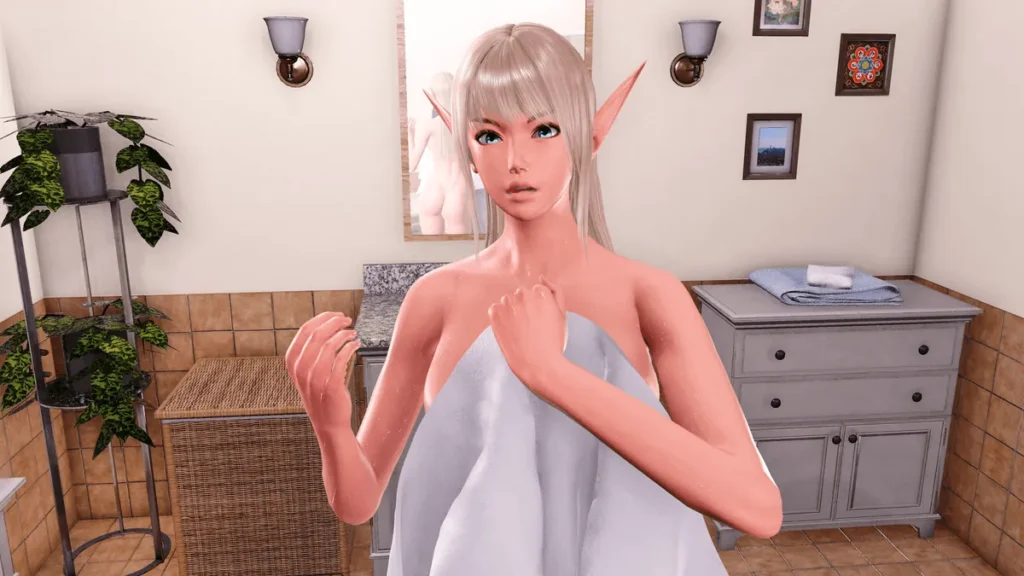
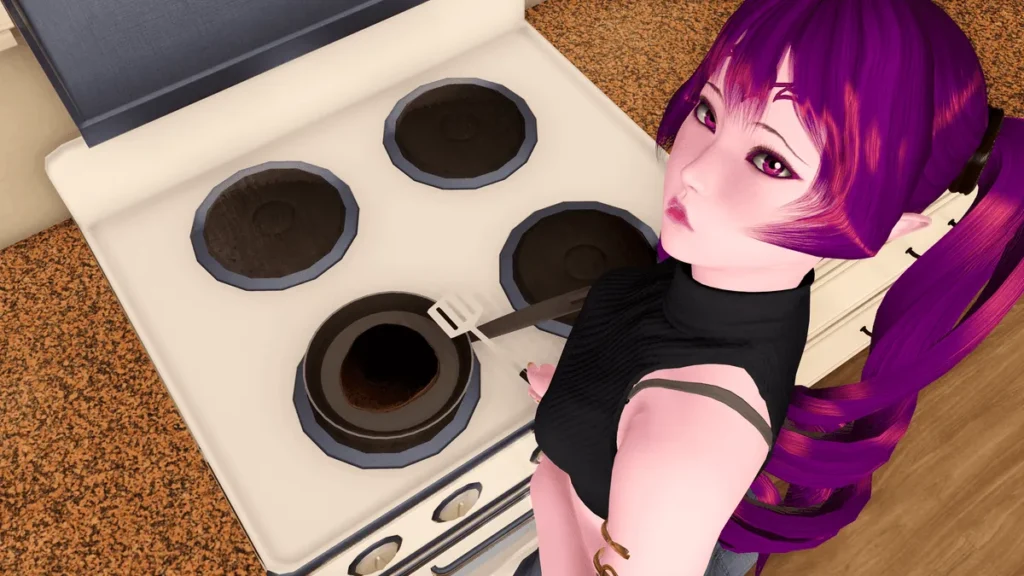





A House in the Rift review
In-depth walkthrough, character guides, choices, and tips for A House in the Rift
A House in the Rift is a narrative-driven adult visual novel with branching choices, collectible images, and character-driven quests that reward exploration and replay. This article dives into the game’s core systems, key characters, important decision points, and how to unlock major scenes and image galleries, offering practical, play-tested advice for completing multiple routes and maximizing rewards. Whether you’re aiming for a full story completion or just want to see a specific character arc, this guide will walk you through the most reliable strategies and share personal observations from multiple playthroughs.
Understanding the World and Story of A House in the Rift
Ever found yourself clicking through a game, half-paying attention to the dialogue, knowing it probably won’t matter in the long run? 🫤 That’s not the experience waiting for you in A House in the Rift. This title stands out as a deeply engaging visual novel adult game where every word you choose, every conversation you have, and every bit of trust you earn directly shapes your journey and its outcome. If you’re looking for a passive experience, you’ve come to the wrong magical house. This is a world built on connection, consequence, and captivating mystery.
Let’s open the door and take a proper look inside. This guide chapter will give you a solid A House in the Rift overview, unpack the core story, and explain why your choices are the most powerful magic in this realm.
### What kind of game is A House in the Rift?
At its heart, A House in the Rift is a narrative-driven experience. You won’t be managing complex combat stats or solving intricate puzzles under a time limit. Instead, the primary “gameplay” is interaction. You read through beautifully rendered scenes and dialogue, making choices that influence your relationships with the characters and steer the plot down different paths.
Think of it less as a traditional “game” and more as an interactive story where you are the author of your own relationships. The adult content is woven into the narrative as a natural extension of these deepening bonds; it’s not the sole focus, but a potential result of the intimacy and trust you build. The real hooks are the characters themselves—their personalities, their secrets, and their evolving stories—and the compelling mystery of the world you’re all trapped in.
The core loop involves exploring the house and its immediate surroundings, talking to your fellow residents, and making decisions during key conversations. Your success is measured not in points or levels, but in the subtle shifts in dialogue, the unlocking of private, character-specific scenes, and the gradual revelation of the larger plot. It’s a game about empathy, attention, and investment.
### Core story beats and setting
The A House in the Rift story begins with a concept that is both simple and brilliantly effective for creating tension and intimacy: strangers thrust together in impossible circumstances. You play as a modern person who, through a bizarre magical accident, finds yourself pulled into a mysterious, ever-shifting dimension known as the Rift. Your anchor in this chaos? A solitary, seemingly endless mansion.
This isn’t just any house, though. The game setting Rift house is a character in itself. 🏰 It’s a liminal space, a pocket dimension that defies logic. Rooms may change, new corridors might appear, and the very fabric of the place seems to respond to the emotions and energies of its inhabitants. It’s your prison, your shelter, and your only hope for understanding what’s happening.
You are not alone. Scattered throughout the Rift, other women from vastly different worlds—a fierce warrior from a fantasy realm, a tech-savvy agent from a cybernetic future, a noble from a land of magic—have also been snatched from their lives. The initial A House in the Rift story tension is pure survival and uneasy alliance. You’re all strangers with no common language, culture, or reason to trust each other, stuck in a place with unknown rules.
Your role becomes that of a linchpin. Through a unique magical connection (which is a key plot point to discover), you begin to bridge the communication gap. This sets the stage for the true drama: managing personalities, mediating conflicts, uncovering each character’s past, and collectively trying to solve the puzzle of the Rift. The central questions drive everything: Why were you all brought here? Who or what is behind it? And is there any way to get back home?
### Why choices matter: branching outcomes and replay value
This is where A House in the Rift truly shines and earns its reputation for incredible replay value A House in the Rift offers. The game features a sophisticated branching choices A House in the Rift system that operates on multiple levels. It’s not just about picking “Nice,” “Funny,” or “Romantic” responses. Your decisions build invisible relationship meters for traits like Trust, Affection, Dominance, or Submission with each character. These hidden stats are the real gatekeepers for the story.
A choice in Chapter 2 can quietly set a flag that won’t pay off until Chapter 5, locking or unlocking entire scenes based on the relationship path you’ve nurtured.
Let me give you a personal example from my first blind playthrough. Early on, I met Leah, the proud and guarded warrior. In our first real conversation, she was struggling with feeling useless in this non-violent, domestic setting. I had two main options: gently suggest she find a new purpose here, or challenge her directly, pointing out that adapting is its own kind of strength. Thinking I should be supportive, I chose the gentle option. She nodded politely, and we moved on. It felt fine.
Weeks later (in-game and in real playtime), a major story conflict arose. Leah wanted to take a reckless, aggressive action to force a solution. Because I had consistently taken the softer, more diplomatic route with her, my character didn’t have the standing or the dynamic with her to seriously challenge this plan. The game presented my options, and they were all variations of “try to reason” or “stand aside.” I couldn’t match her intensity. She went through with her plan, which led to a dramatic, but ultimately negative, outcome for our group’s cohesion. A later, more intimate scene where she opens up about her fears and truly connects was completely absent from my playthrough. I’d never built the specific type of respect she needed to see me as an equal.
On my second run, I took the harder line with her from the start. I challenged her, sparred with her verbally, and showed her I wasn’t intimidated. That early “challenge” choice? It established a completely different relationship dynamic. When the same late-game conflict arose, I had the option to look her in the eye and say, “This is a bad tactic, and you know it. Stand down.” And she listened. That path unlocked a powerful scene of mutual respect and vulnerability that I had missed entirely the first time. One early dialogue choice fundamentally altered her character arc for me.
This is the essence of the branching narrative. The game tracks:
- Major Plot Decisions: Obvious forks in the road that change story events.
- Consistent Character Treatment: Building those hidden relationship stats over time.
- Daily Interaction Choices: Who you spend time with, what you talk about, and how you respond.
The mechanics often work together. To see a character’s most personal scenes, you might need a high enough Affection stat and to have made a specific key story choice that aligns with their values. This creates a web of possibilities.
| What You Choose | What It Affects | The Replay Result |
|---|---|---|
| Dialogue responses during key conversations | Direct scene outcomes & hidden relationship stats | Unlocking unique character scenes and endings you missed before. |
| Who to spend your limited time with each day | Opportunities to raise affinity with specific characters | Seeing completely different daily interactions and side stories. |
| How you resolve conflicts between characters | Group morale and individual character development paths | Experiencing alternative group dynamics and plot resolutions. |
This intricate design means your first playthrough is uniquely yours. You will absolutely miss content. You might not even meet every possible scene with your favorite character! And that’s the point. It makes the world feel alive and responsive, rather than a theme park where you just ride every attraction in one go.
So, how should you approach your first run? Here’s my heartfelt advice:
- Play for Story First, Not a Checklist: Go in blind. Make choices that feel true to how you want to interact with this strange situation and these complex people. Let yourself be surprised by the consequences, good and bad. This organic experience is magical and shouldn’t be spoiled by constant guide-checking.
- Take Light Notes: If you’re worried about forgetting, just jot down a word or two about big decisions. Something like “Chose to explore basement with Rae” or “Sided with Jess in argument.” It’ll help you remember your unique path.
- Resist the Urge to Savescum: This is the big one. 🚫 Don’t quick-load immediately after a choice seems to backfire. The “bad” outcomes often lead to fascinating character moments and are essential to the narrative weight. Let your choices have consequence. The beauty and the replay value A House in the Rift is famous for comes from seeing how a different version of “you” lives in this world on another playthrough.
Ultimately, A House in the Rift is a masterpiece of player agency in a narrative framework. It understands that the most compelling stories are the ones we feel responsible for. Your journey through the Rift won’t just be about uncovering its secrets; it will be a reflection of your own decisions, your priorities in relationships, and your desire to find connection in the most disconnected place imaginable. Now that you understand the world and the weight of your words, you’re ready to step inside and write your own story.
A House in the Rift rewards patient exploration and careful choices: understanding character mechanics, timing interactions, and using smart save strategies will open the bulk of its story routes and collectible scenes. Take an exploratory first run to absorb the narrative, then use the targeted strategies above for gallery completion or faster route runs. If you run into continuity quirks, consult community notes and consider preserving multiple saves before applying updates or mods. Try the recommended approaches, keep a short play log, and revisit choices — the game’s branching design makes repeat playthroughs consistently rewarding.