A Perfect Marriage
Play A Perfect Marriage
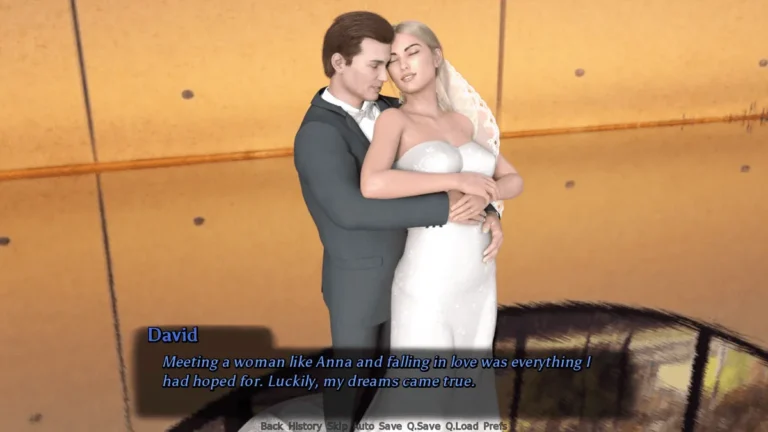
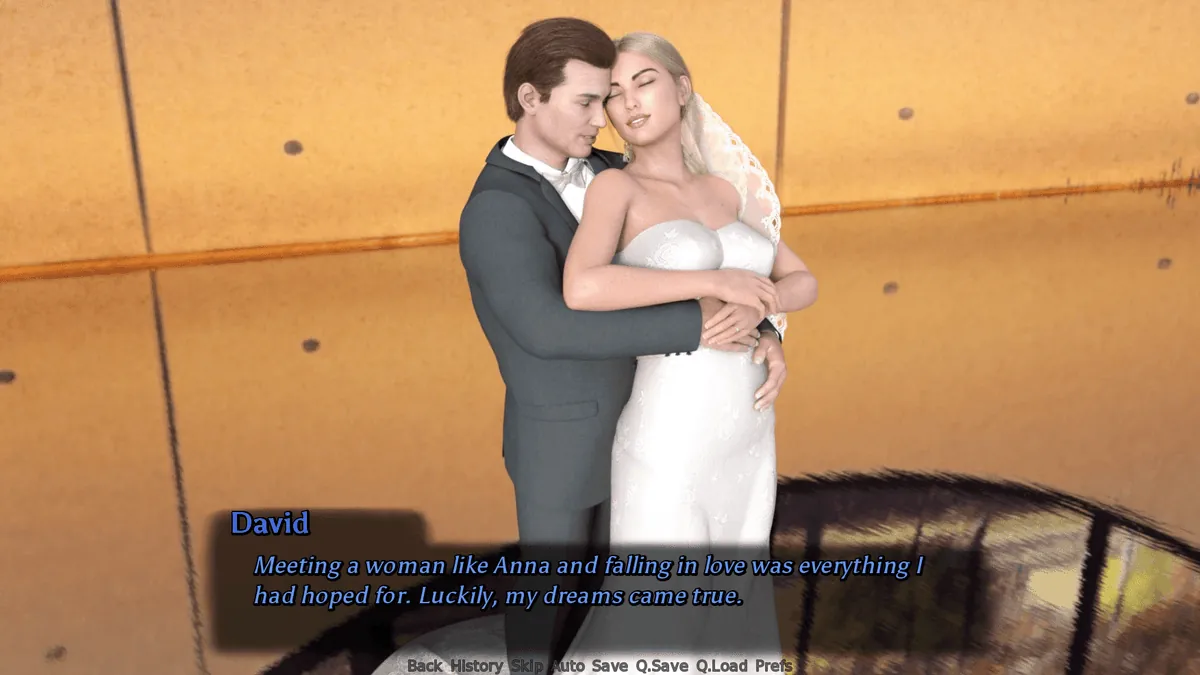
A Perfect Marriage Screenshots



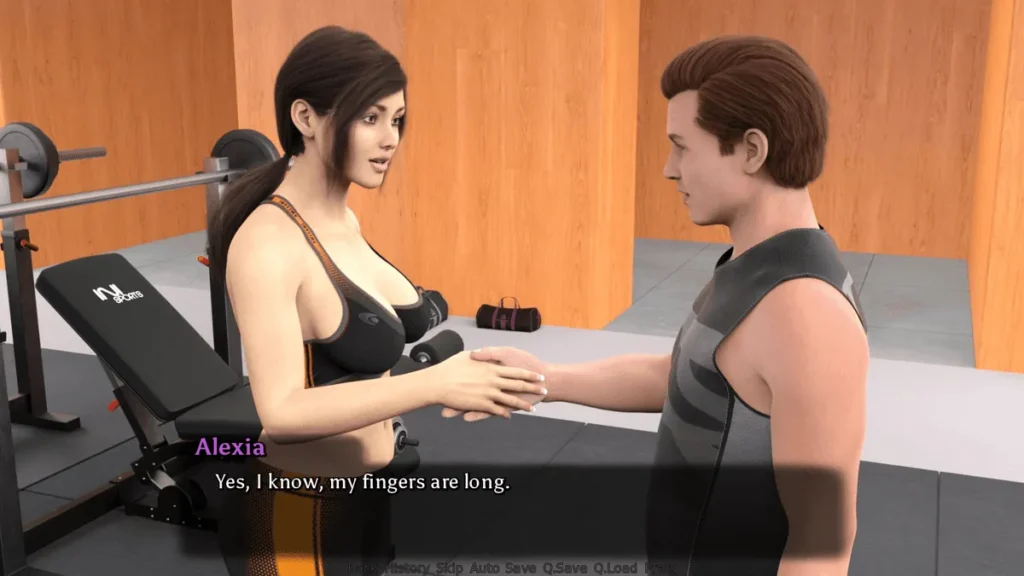
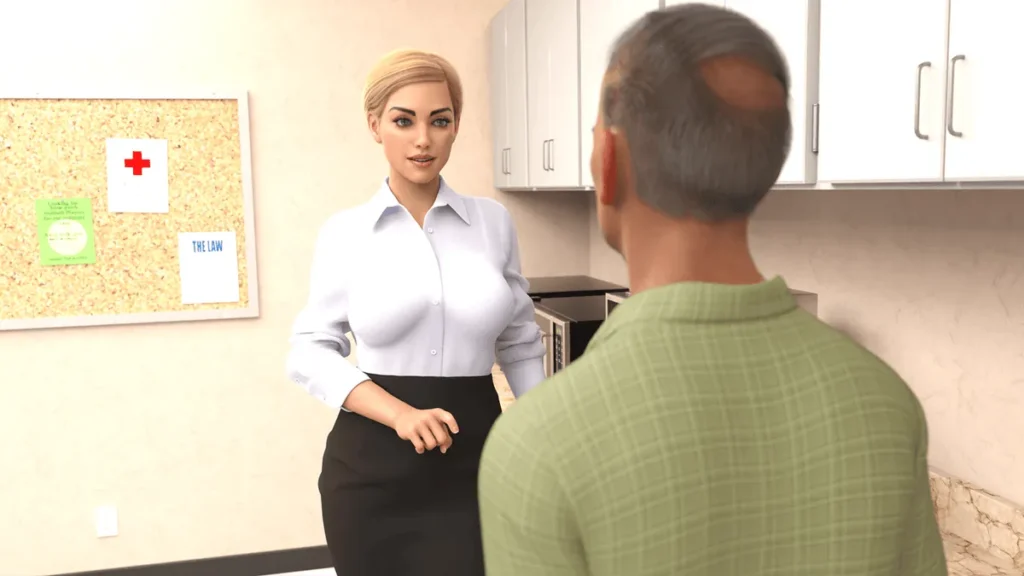

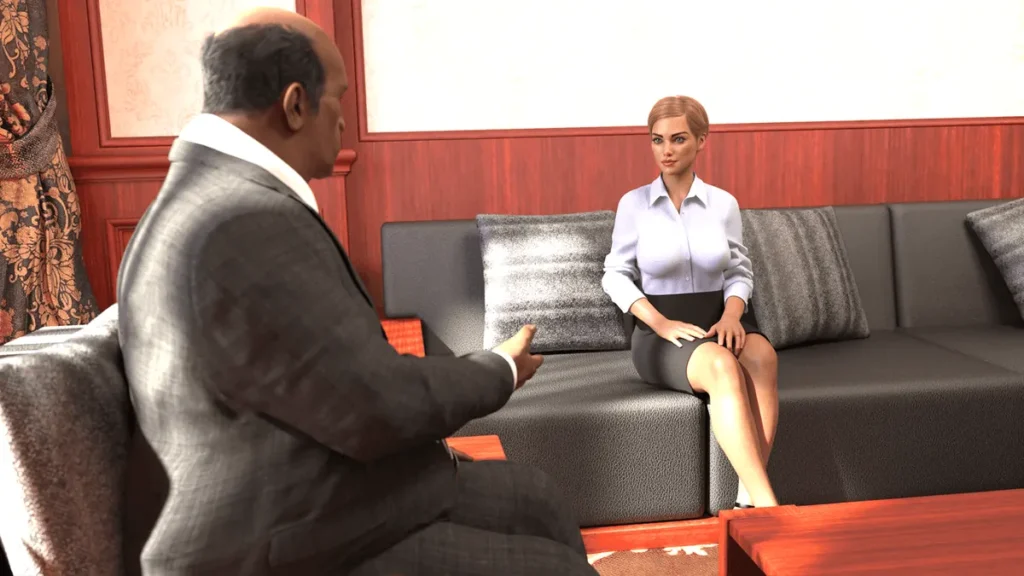


A Perfect Marriage review
Dive into the thrilling world of jealousy, psychology, and adult choices in this captivating game
Imagine stepping into a relationship teetering on the edge of bliss and betrayal—that’s the hook of A Perfect Marriage, the adult visual novel that’s got players hooked on its deep dive into psychology, jealousy, and fragile happiness. As you switch between the main characters, every choice unravels secrets and steamy encounters that feel intensely personal. I remember my first playthrough; the tension had me glued to the screen, heart racing through moral dilemmas and intimate moments. This guide breaks down everything you need to master A Perfect Marriage, from core mechanics to branching paths, so you can craft your perfect ending. Whether you’re new or replaying for hidden scenes, let’s explore why this game redefines adult interactive storytelling.
What Makes A Perfect Marriage So Addictive?
I still remember the first time I booted up A Perfect Marriage game. I thought I was just in for a bit of romantic drama, maybe some steamy scenes. An hour later, I was hunched over my keyboard, my heart pounding, completely paralyzed by a simple choice: do I ask a seemingly innocent question at dinner, or do I let it go? That moment, where a flicker of doubt could either be soothed or fanned into a blaze, hooked me completely. It wasn’t just about romance; it was about the terrifying, exhilarating psychology of trust. This is the unique magic of this adult visual novel story—it makes you feel the weight of every glance, every silence, and every secret.
So, what is it about this experience that digs its claws in so deep? Why do players lose entire afternoons navigating its emotional minefield? Let’s break down what makes A Perfect Marriage so addictive.
Unpacking the Core Story and Themes
At its heart, what is A Perfect Marriage game? It’s a masterclass in tension and fragile happiness in games. You don’t just play one side of the relationship; you experience the story through dual protagonists, Yuma and Takumi. One moment, you’re in Yuma’s shoes, feeling the creeping anxiety of a partner who seems distant. The next, you’re Takumi, wrestling with private burdens and the fear of causing pain. This brilliant narrative structure is the engine of the game’s visual novel psychology. You’re never allowed to settle into a single, comfortable perspective. 🕵️♂️
The core plot revolves around secrets—the kind that aren’t necessarily about betrayal, but about fear, past trauma, and miscommunication. Without spoiling anything, the twists aren’t just for shock value. They feel earned, rising naturally from the characters’ personalities and the choices you’ve made. The erotic elements are woven into this tapestry of tension; they’re not just interludes, but moments of vulnerability, connection, or sometimes, devastating distance. This isn’t a story about finding love; it’s about the exhausting, beautiful work of holding onto it when everything—including your own mind—seems to be pulling it apart. The central theme is the corrosive and consuming nature of jealousy, making the A Perfect Marriage jealousy themes some of the most nuanced I’ve ever encountered in interactive fiction. 💔
How Player Choices Shape Jealousy and Psychology
This is where the addiction truly takes root. A Perfect Marriage is not a passive story. It’s a laboratory for human emotion where you are the scientist—and often, the test subject. Every dialogue option, every decision to pry or to trust, sends ripples through the relationship’s ecosystem.
The game uses subtle systems like hidden affection meters and relationship flags. A choice that seems kind in one context might come across as patronizing in another, shifting dynamics in ways you won’t see until much later. Do you confront Takumi about the mysterious phone call immediately, fueling suspicion? Or do you bury your worry, letting it fester into something worse? The game brilliantly simulates how jealousy is often a story we tell ourselves, and you are the author of that story.
“I replayed the same two-hour segment four times,” shared one dedicated player. “One path led to a tender reconciliation. Another, where I let my insecurity dictate every question, ended in a bitter argument that changed the entire trajectory of the story. It felt less like a game and more like therapy—expensive, emotionally draining therapy.”
My own first playthrough was a mess—a beautiful, heartbreaking mess. I chose to confront the jealousy head-on at every turn, playing Yuma as righteously wounded. It led to explosive fights, stunning artwork depicting painful separations, and an ending that left me staring at the credits with a hollow feeling. I had “won” the argument, but at what cost? The psychological depth here rivals top novels.
Practical Tip: Save often and with clear labels! The branching is immense. Create a separate save file at major decision points. I name mine things like “Before_Dinner_Question” or “Party_Confrontation.” This lets you explore the narrative branches without replaying hours of content, and it’s essential for seeing how small choices compound.
To help visualize the impact, here’s a breakdown of how a single early-game suspicion can branch:
| Your Initial Choice (As Yuma) | Short-Term Consequence | Potential Long-Term Story Branch |
|---|---|---|
| Ask directly about a strange text message. | Takumi explains honestly; +Trust. | Unlocks deeper, more vulnerable conversations later. A path toward solid intimacy. |
| Snoop through Takumi’s phone to find answers. | You find a benign explanation but feel guilty. -Trust (hidden). | Takumi may discover the breach later, triggering a major crisis of trust. Locks out peaceful resolutions. |
| Say nothing, but become cold and distant. | Atmosphere becomes tense and awkward. | The unaddressed issue resurfaces more violently. Can lead to paths where miscommunication becomes the core conflict. |
Why This Visual Novel Stands Out in Adult Gaming
In a genre that can sometimes prioritize titillation over substance, A Perfect Marriage is a staggering achievement. It stands out first through its production. The artwork is stunning, capturing every micro-expression of doubt, longing, and anger. The voice acting (in the original language) is phenomenal, delivering lines with a rawness that makes you flinch. This isn’t a cartoon; it feels real. 🎨
But the crown jewel is replayability. You haven’t truly experienced what is A Perfect Marriage game after just one ending. The game is built for multiple playthroughs. I have a friend who embarked on what she called a “completionist run.” She spent one five-hour session doing nothing but exploring the consequences of playing a perfectly trusting, almost naïve Yuma. She discovered entire romantic scenes and character backstory segments I never saw in my confrontational path. Then, she did the opposite, crafting a Yuma so paranoid she pushed everyone away, unlocking a bleak, lonely ending that was brilliantly written. This vast narrative web, where your personal psychology directly authors the story, is unmatched.
Think of it this way: many games give you choices that change the ending. This game gives you choices that change the people, and the endings feel like the inevitable result of who you’ve helped them become.
So, what’s the final verdict? Here are the top 5 reasons this experience is so compelling:
- Dual-Perspective Mastery: Living both sides of the conflict destroys simple judgments and builds profound empathy.
- The Weight of Real Choices: Decisions lack clear “good/bad” labels, mirroring the painful ambiguity of real relationship struggles.
- Psychology as Gameplay: Your own instincts and biases become the primary tools and obstacles, creating a deeply personal journey.
- Production Value That Sells the Drama: Gorgeous art and stellar voice acting transform pixels into palpable heartache.
- A Story That Demands to Be Re-lived: The branching narrative is so rich that seeing “your” story is just the beginning of the discovery.
In the end, A Perfect Marriage game is addictive because it treats your emotions not as a byproduct, but as the core gameplay mechanic. It’s a brave, sophisticated dive into the shadows of love, and it respects you enough to offer no easy answers. It presents fragile happiness in games not as a concept, but as a living, breathing thing you must constantly choose to protect—or accidentally shatter.
Ready to see how your own instincts shape a relationship? In our next section, we’ll dive into a detailed walkthrough of the game’s crucial first act, helping you navigate the initial waves of doubt and set your course toward one of its many unforgettable conclusions. 🚢
There you have it—your roadmap to immersing yourself fully in A Perfect Marriage, from its gripping psychological twists to strategic gameplay that keeps you coming back. I’ve shared my own journeys through jealousy-fueled paths and steamy revelations, proving this visual novel isn’t just a game; it’s an emotional rollercoaster worth every minute. Whether you’re chasing that elusive perfect ending or uncovering hidden intimacies, apply these insights and watch your experience transform. Dive in today, make those bold choices, and share your wildest outcomes in the comments below—what’s your favorite route so far?