
A Wife’s Phone
Play A Wife’s Phone
A Wife’s Phone Screenshots
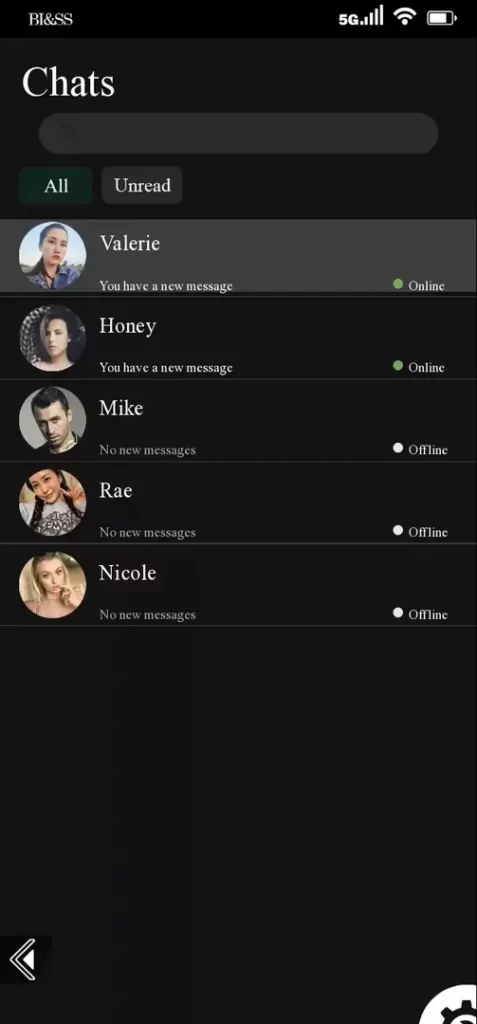




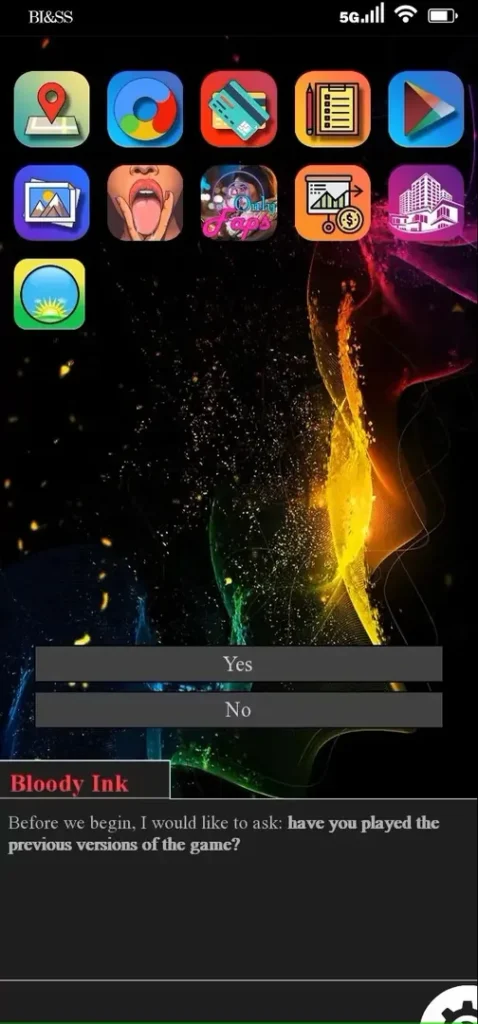
A Wife’s Phone review
Explore the Interactive Narrative Experience of Bloody Ink’s Psychological Thriller
A Wife’s Phone stands out as a unique interactive narrative experience that reimagines storytelling through a smartphone interface. Developed by Bloody Ink, this text-based simulator immerses players in a suspenseful journey of discovery, trust, and psychological intrigue. Rather than traditional action-based gameplay, the experience centers on exploration and decision-making as you navigate through messages, photos, and digital artifacts. The game combines realistic phone simulation with branching narrative paths, creating an intimate and unsettling experience that challenges players to question their own assumptions. Whether you’re drawn to narrative-driven experiences or psychological thrillers, understanding what A Wife’s Phone offers can help you decide if this unconventional game is right for you.
Understanding A Wife’s Phone: Core Gameplay Mechanics
Ever feel like you’re just going through the motions in a game, pushed down a single, shiny path? 🎮 You’re not alone. I remember starting a typical narrative adventure recently, gorgeous graphics and all, but I just felt… locked in. My choices were an illusion, and the story unfolded the same way every time. It left me craving something more. Something real.
Then I found A Wife’s Phone.
Forget everything you know about standard game design. This isn’t about running, jumping, or combat. It’s about sitting in a quiet room, with a stranger’s life in your hands. The core A Wife’s Phone gameplay mechanics ditch traditional action for something far more intimate and unnerving: becoming a digital detective. You’re not controlling an avatar; you’re operating a device. This is the heart of the interactive narrative experience that has captivated so many. Your curiosity isn’t just encouraged—it’s the entire engine of the game.
What Makes A Wife’s Phone Different From Traditional Games
At its core, A Wife’s Phone is a masterclass in subverting expectations. Most games are built on a foundation of direct control—you move a character, you press a button, something happens on screen. This game throws that manual out the window. Instead, you are presented with a fully functional, eerily familiar smartphone interface. Your mission isn’t stated; it’s implied. Your tools aren’t guns or magic spells; they are messaging apps, photo galleries, and browser histories.
To truly grasp this shift, let’s lay it out clearly. Think of it as the difference between watching a film and rummaging through a found-footage box.
| Aspect | Traditional Narrative Game | A Wife’s Phone |
|---|---|---|
| Player Role | Hero, Protagonist, Savior | Investigator, Observer, Intruder |
| Primary Interface | Gamepad/Keyboard controlling an on-screen avatar | Direct interaction with a simulated smartphone screen |
| Pacing Control | Largely director-led, set-piece driven | Fully player-driven; you decide when to dig deeper |
| Primary Interaction | Physical actions (run, fight, solve environmental puzzles) | Mental deduction, pattern recognition, and exploration of digital data |
This text-based phone simulator game asks a simple, powerful question: What story would you piece together if you had unfettered access to another person’s most personal device? 🕵️♀️ The answer unfolds through your own diligence. There are no quest markers, no journal entries written by your character summarizing what you should think. There is only the data—and your growing sense of unease as you connect the dots. This creates a uniquely personal player-driven investigation where your pace and focus directly shape the tension.
How the Smartphone Interface Creates Immersion
This is where the magic—or rather, the chilling realism—truly happens. The smartphone interface game design of A Wife’s Phone is its single most genius trick. From the moment you boot it up, you’re not looking at a game HUD. You’re looking at a phone’s lock screen. Maybe there’s a notification preview. Maybe the wallpaper is a personal photo. You swipe to unlock, and you’re in.
This isn’t a stylized menu; it’s a meticulously crafted replica. You have your app grid: Messages, Photos, Calendar, social media apps, a web browser, even a notes app and email. ✉️ 📅 📸 Each one functions as you’d expect. You don’t “select the message log” from a list; you tap the Messages icon, and conversations open. You scroll with your finger (or mouse). You can go back to the home screen, open a different app, and cross-reference information yourself.
Personal Insight: The first time I opened the photo gallery and started swiping through vacation pics, family dinners, and then… a strange, blurry image saved in a hidden folder, my stomach dropped. I wasn’t shown a scary image by the game; I found it. That shift in agency from passive viewer to active discoverer is profound.
This familiarity is the game’s greatest tool for immersion and dread. We all know the rhythm of our own phones—the dopamine hit of a notification, the casual scroll through a feed. A Wife’s Phone uses that ingrained muscle memory against you. When a new message pops up, your real-world instinct to check it kicks in. You feel the voyeuristic thrill and guilt of reading private chats. The interface isn’t just a way to deliver the story; it is the story’s environment. You are living inside the mystery, one tap at a time, and this makes the psychological tension feel uncomfortably real.
Exploration and Discovery as Primary Gameplay
So, if there’s no action, what do you actually do? You explore. You discover. You become a digital archaeologist. The A Wife’s Phone exploration features are deliberately open-ended. The game presents you with a device and a premise, and then it largely gets out of your way. Your curiosity is the only guide you need.
This is a game of connective tissue. A date mentioned in a text message can be looked up in the Calendar. 🗓️ A location tagged in a social media post can be searched in the Maps app. A person’s name from an email signature can be looked up in the contacts or friended on a social network within the game. The narrative isn’t fed to you in chunks; it’s a sprawling web of data points, and you choose which threads to pull.
- Browse Every App: Don’t just read the latest messages. Scroll back months in conversations. Check deleted folders in email. Look at metadata on photos.
- Follow Your Hunches: If a contact seems suspicious, search their name across all apps. If a financial app shows strange transactions, note them down.
- Control the Pacing: Feel overwhelmed? Close the phone. The story waits for you. Want to binge for three hours chasing a lead? You can do that too. This player-driven investigation puts you firmly in the director’s chair of your own anxiety.
And this is where the famous branching narrative choices come into play. They aren’t presented as big, dramatic “CHOOSE A OR B” pop-ups. Instead, they are subtle, organic, and often terrifyingly consequential. Do you reply to a message from the husband, pretending to be his wife? What do you say? Do you delete an incriminating email before someone else might see it? Do you confront a character via direct message on a social platform?
Every action feels like it has weight because you are operating within a believable system. The interactive narrative experience is built on the foundation that you are not just making a choice for a character—you are performing an action within the world of the phone. This creates an unparalleled sense of responsibility and paranoia. You’re not just watching a thriller; you’re actively conducting the investigation that fuels it.
The beauty of this text-based phone simulator game design is that every player’s journey is unique. You might become obsessed with the financial records, while a friend pieces the story together through romantic entanglements found in the texts. The game respects your intelligence, offering a smartphone interface game design that serves as both the stage and the sole tool for one of the most compelling detective stories you’ll ever participate in.
In the end, A Wife’s Phone redefines engagement. It proves that the most powerful tool in a storyteller’s arsenal isn’t a cutscene or a boss fight, but trust—trust in the player to be curious, to be thorough, and to feel the chilling weight of discovery in the most familiar of digital spaces. Your exploration is the gameplay, and every notification could be the clue that changes everything. 🔍
A Wife’s Phone represents a distinctive approach to interactive entertainment, blending psychological thriller elements with innovative gameplay mechanics centered on a simulated smartphone interface. The game’s strength lies in its ability to create genuine tension through familiar digital artifacts—messages, photos, and social media updates—transforming everyday digital communication into sources of mystery and intrigue. By placing players in the role of an investigator within an intimate relationship, the game challenges conventional gaming narratives and forces players to confront their own assumptions and moral boundaries. The branching narrative structure ensures that each playthrough can differ significantly based on player choices and investigation priorities. Whether you’re interested in narrative-driven experiences, psychological exploration, or unconventional game design, A Wife’s Phone offers a thought-provoking experience that lingers long after the final discovery. The ongoing development by Bloody Ink continues to expand and refine the experience, making it worth revisiting as new versions release.