By Midsummer Moonlight
Play By Midsummer Moonlight
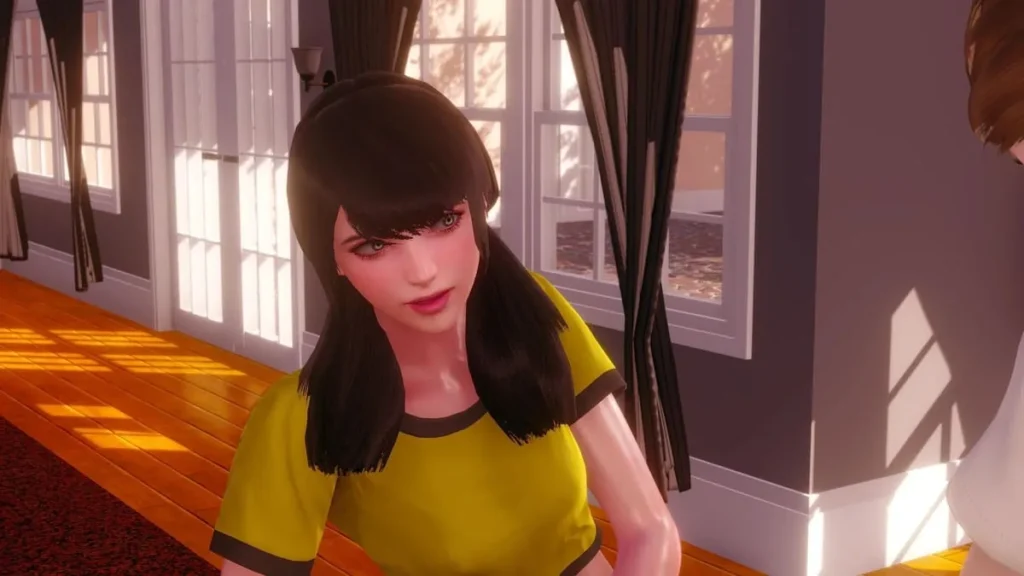
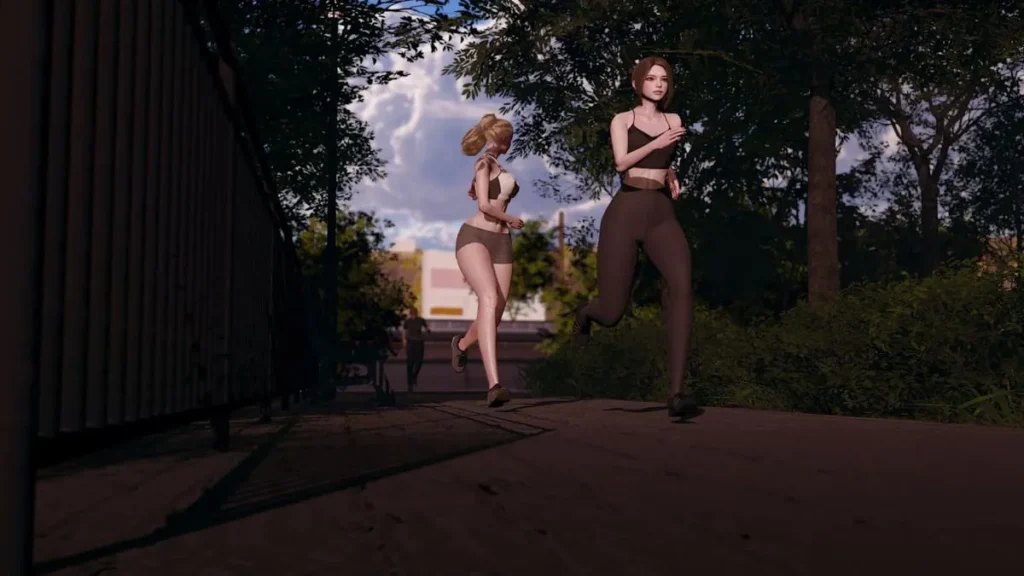
By Midsummer Moonlight Screenshots








By Midsummer Moonlight review
Explore the narrative complexity, character development, and player-driven choices that define this acclaimed interactive fiction experience
By Midsummer Moonlight stands as a compelling example of modern interactive storytelling, where player agency directly shapes narrative outcomes. This game centers on Aedan Miller, an 18-year-old facing a life-altering decision to depart for a dangerous conflict abroad. The three weeks preceding his departure become a whirlwind of emotional complexity as friends and family attempt to influence his choice. What distinguishes By Midsummer Moonlight from conventional narrative games is its sophisticated approach to consequence management—decisions aren’t presented as obvious moral choices but emerge naturally through dialogue, timing, and environmental interaction. The game’s intricate relationship system, time-sensitive events, and branching narrative paths create a deeply immersive experience that rewards multiple playthroughs and encourages players to explore how subtle choices ripple through the story.
Narrative Structure and Storytelling Excellence in By Midsummer Moonlight
Most interactive storytelling game experiences begin with a grand, world-altering premise. By Midsummer Moonlight does something far more intimate, and because of that, far more devastating. It asks a simple, terrible question: How do you say goodbye? 🕯️ This isn’t about saving kingdoms; it’s about navigating the quiet apocalypse of a single life changing forever. The entire emotional landscape of this acclaimed emotional narrative game is built upon the fragile foundation of protagonist Aedan Miller’s decision to leave his coastal home and fight in a distant, dangerous conflict.
This choice is the engine of the entire By Midsummer Moonlight narrative structure. It’s a catalyst that transforms three final weeks into a pressurized chamber of memory, regret, and connection. The genius lies in the game’s refusal to paint Aedan’s motivation as purely heroic. Yes, there’s a sense of duty, but the narrative bravely explores the shadows—the desire to run away from unresolved pain, from stifling expectations, from a future that feels predetermined. This psychological depth ensures you’re not guiding a paragon, but a deeply human, flawed young man, making the stakes profoundly personal from the very first scene.
The Central Conflict: Understanding Aedan’s Journey
Aedan’s impending departure is the ticking clock at the heart of this character-driven story. The three-week timeframe isn’t just a gameplay constraint; it’s a narrative masterstroke that creates relentless emotional urgency. Every conversation, every shared glance, every quiet moment on the cliffs carries the unspoken weight of “this might be the last time.” ⌛ This setup allows the game to explore themes of friendship, loyalty, and internal conflict with breathtaking honesty. There are no easy answers here, only complex, messy emotions that resonate with painful authenticity.
The conflict isn’t just between Aedan and his friends or family; it’s within Aedan himself. You feel the push and pull of his motivations. Is he seeking purpose or escape? Is his bravery a facade for fear? The game’s writing layers these questions into every interaction, inviting you, the player, to project your own interpretations onto his actions. This makes your role not just that of a director, but of an interpreter, digging into subtext and silence as much as spoken dialogue to understand the man you’re guiding toward an uncertain fate.
How Player Choices Shape the Narrative Arc
Forget good versus evil. By Midsummer Moonlight operates in the vast, nuanced gray area of human interaction, and its player choice consequences are a testament to that philosophy. Your decisions are subtle, often feeling like instinctive social responses rather than calculated plot manipulations. This is where the game truly shines as a masterclass in interactive storytelling game design.
A Tip from a Fellow Player: Early on, I learned that the most impactful choices were rarely the loudest ones. Choosing to listen instead of immediately offering advice, or deciding when to share a painful memory, often opened deeper paths than any dramatic declaration could.
Consider a pivotal early encounter with Elara, the reclusive herbalist. She possesses knowledge crucial to understanding the strange, spectral events in the town. You can approach her with blunt demand, fueled by Aedan’s urgency. This gets you the bare facts, but it slams shut the door to her trust, locking away her personal questline and the deeper lore about the town’s history she might have shared. Alternatively, you can choose to be patient, offer help with her garden, and show genuine curiosity in her work. This softer approach doesn’t just give you information; it builds a relationship reputation system score with her, unlocking a moving side story about loss and legacy that fundamentally enriches the world and changes how you view the central themes.
This is the essence of the game’s branching dialogue trees. They aren’t just forks in a road; they are delicate instruments for tuning your relationships. A sarcastic joke might amuse one friend and alienate another. Revealing a secret to gain someone’s trust might later be used against you, or might bond you for life. The game weaves these consequences seamlessly into future dialogues—no “Elara will remember that” notifications, just the organic, sometimes painful, ripple effects of your words.
The systems underpinning this narrative agility are intricate and deeply interconnected. Let’s break down how they work together to create a truly responsive story.
| Gameplay Feature | Narrative Impact | Player Experience |
|---|---|---|
| Branching Dialogue Trees | Alters character alliances, unlocks or closes quest paths, and reveals unique backstory details based on tone and topic choice. | Feels like a real conversation where your words carry weight, encouraging careful listening and role-playing. |
| Time-Sensitive Events | Creates cause-and-effect chains; helping one character might make you late for another, permanently affecting both storylines. | Instills a powerful sense of urgency and the painful reality of limited time, mirroring Aedan’s central dilemma. |
| Environmental Interaction | Rewards exploration with hidden letters, objects, and lore that provide context, inform decisions, and unlock special dialogue options. | Turns the world itself into a storyteller, making every tucked-away note or meaningful object a piece of the emotional puzzle. |
| Relationship Reputation System | Determines which character endings are available, influences how characters support you in key moments, and changes their dialogue throughout. | Fosters a deep desire to nurture and protect connections, making every interaction feel consequential to the final outcome. |
Emotional Depth and Thematic Complexity
The ultimate power of By Midsummer Moonlight lies in its emotional payload. By masterfully integrating player choice consequences with a character-driven story, it forges a connection that is both unique and unforgettable. You aren’t just watching Aedan’s relationships flourish or fracture—you are actively building them, word by word, choice by choice. This direct authorship makes the emotional highs and lows intensely personal. 🥹
The game’s themes are explored with a maturity that is rare in any medium. It deals with the complexity of duty—not to a flag, but to the people you love. It examines the selfishness that can hide inside a selfless act, and the selflessness that can exist in staying. The spectral elements of the story aren’t just plot devices; they are beautiful metaphors for unresolved grief, lingering regrets, and the memories that haunt us—themes that directly mirror Aedan’s own journey to make peace with his past before facing his future.
This profound emotional narrative game experience culminates in an ending sequence that is wholly yours. The final scenes are a direct reflection of the reputation you’ve built with every major character. Did you mend a broken friendship? Did you stoke a rivalry? Did you help the lost spirits find peace? The answers to these questions, earned over three in-game weeks of careful, nuanced play, determine who sees you off, what they say, and ultimately, the emotional resonance of Aedan’s departure. There is no “best” ending, only your ending—a poignant, personalized conclusion to a story you helped write.
In the end, the By Midsummer Moonlight narrative structure proves that the most compelling stories aren’t about the scale of the conflict, but the depth of the heart. It uses every tool of the interactive storytelling game medium—from subtle branching dialogue trees to a silent but powerful relationship reputation system—not to give you power over the world, but to give you responsibility for its emotional truth. You will leave its shores not just having played a game, but having lived a life, however briefly, and felt the profound weight of its goodbye. 🌅
By Midsummer Moonlight represents a significant achievement in interactive fiction, demonstrating how sophisticated narrative design can create deeply engaging player experiences. The game’s strength lies not in flashy mechanics but in its commitment to emotional authenticity—every choice feels weighty because the game respects player agency and weaves consequences naturally into the story. The complex supporting cast, each with their own struggles and motivations, transforms what could be a simple narrative into a rich tapestry of interconnected relationships. The gameplay mechanics, from time pressure to relationship reputation systems, reinforce the narrative themes and ensure that player choices genuinely matter. Whether you’re drawn to the game’s exploration of friendship and loyalty, its nuanced character development, or its innovative approach to consequence management, By Midsummer Moonlight offers a memorable experience that rewards careful attention and multiple playthroughs. For those seeking interactive fiction that challenges conventional storytelling and respects player intelligence, this title stands as a compelling testament to what the medium can achieve when emotional depth and player agency work in harmony.