Lessons in Love
Play Lessons in Love
Lessons in Love Screenshots




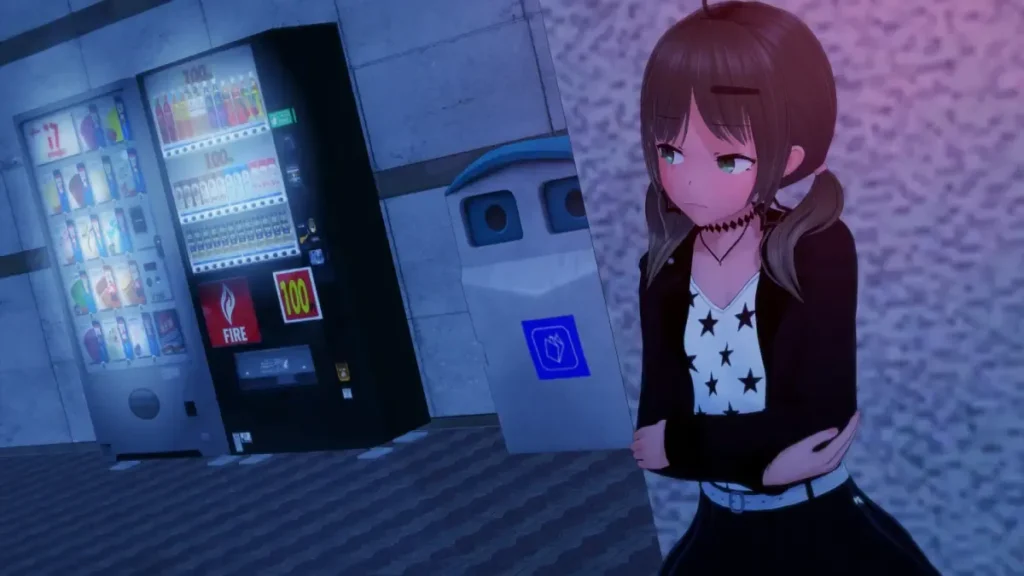


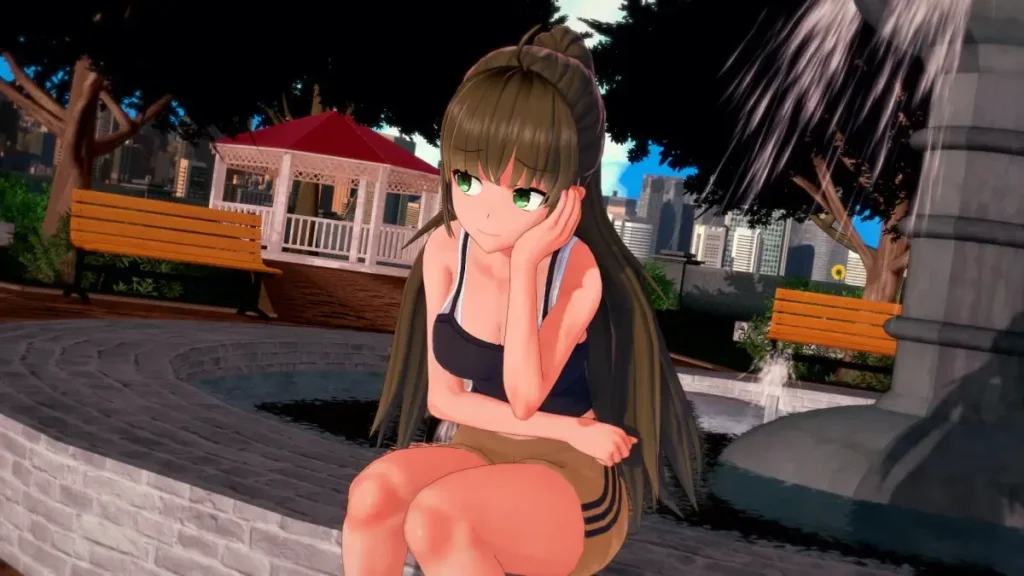


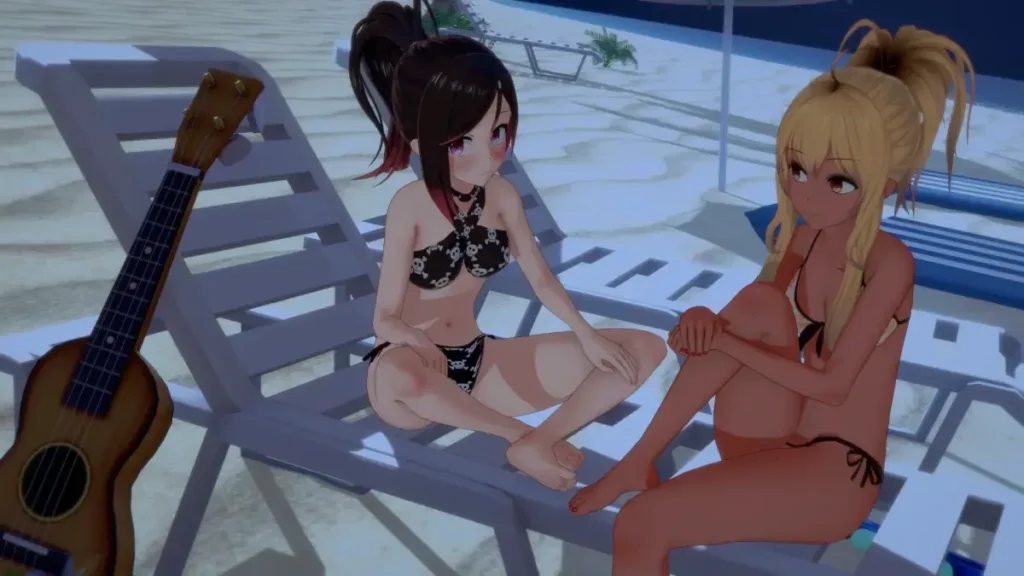




Lessons in Love review
Master every event, character route, and gameplay mechanic in this complex visual novel
Lessons in Love is a complex visual novel that challenges players to navigate intricate event systems, character relationships, and branching storylines. Unlike traditional dating simulations, this game demands strategic planning and careful decision-making, as choices carry significant consequences that can lock off entire character routes or alter story progression permanently. Whether you’re stuck on a specific event, trying to unlock hidden content, or planning your first playthrough, understanding the game’s mechanics and event triggers is essential. This comprehensive guide breaks down everything you need to know about progressing through Lessons in Love, from basic gameplay fundamentals to advanced route optimization strategies.
Understanding Lessons in Love Gameplay Mechanics
Let’s be honest: the first time you boot up Lessons in Love, it feels less like playing a game and more like being thrown into the deep end of a very complex, very emotional swimming pool. 🏊♂️ You’re presented with a town map, a calendar, and a cast of characters whose moods shift like the weather. I remember my first playthrough; I spent days just clicking around, hoping something would happen, only to realize I’d completely missed my chance with a character I liked. I was lost.
That’s because this isn’t a visual novel where you just click through dialogue. It’s a intricate, living system where every day, every location, and every word you choose builds the story. Mastering it is the difference between watching a story unfold and truly shaping it. This chapter is your lifeline. We’re breaking down the core Lessons in Love gameplay mechanics so you can move from confused observer to confident architect of your own tale.
How the Event System Works and What Triggers Progression
Think of the world of Lessons in Love as a delicate clockwork. 🕰️ Every in-game day is a new turn of the key. The primary driver of everything is the Lessons in Love event system. Unlike many games where story beats trigger automatically, here, you are the trigger.
Each day, you are given a set of actions (often just one or two) to visit locations on the map—the school, the park, a character’s home, etc. Going to a location is how you “spend” your time and is the sole way to initiate story events. Nothing happens unless you go looking for it. This daily, location-based rhythm is the heartbeat of the game.
But it’s not random. Events are locked behind specific prerequisites. To understand how to unlock events in Lessons in Love, you need to think about a few key factors:
* Day Number: Many events are only available on specific days or within a certain range of days. The game progresses in a linear sequence of days, and if you pass day 50 without meeting other conditions, an event for day 45 is gone forever.
* Location: You must be in the right place. An event for Character A might trigger at the school, while an event for Character B that same day might only be at the mall.
* Story Flags: This is the big one. Most events require that you have seen a previous event. The game’s narrative is a chain, and missing one link means the next one won’t appear. This is why a missable events guide is so crucial—skip one event, and you might silently lock yourself out of an entire character’s route for dozens of hours.
* Affection & Variables: While affection is a major gate (which we’ll discuss next), the game also tracks hidden variables or story states. For example, whether you intervened in an argument or remained neutral.
The game has a brutally honest feature: the Event Gallery. Events you’ve seen are listed. Events you’ve missed are also listed, but crossed out with a red line. 👁️ It’s a constant, haunting reminder of the paths not taken. This directly ties into the visual novel choice mechanics—your choices don’t just lead to different dialogue; they determine which events are even available to find on the map tomorrow.
Pro Tip: Early on, get into the habit of saving at the start of each new day, before you choose a location. If you visit a spot and get a short, insignificant scene, you might have missed the trigger for a bigger event elsewhere. Your save file is your best tool for experimentation.
Affection Levels and Character Relationship Mechanics
If the event system is the clockwork, then affection levels gameplay is the fuel that makes it tick. 🫀 Each main character has an Affection stat that numerically represents your relationship with them. This isn’t just a “like” meter; it’s a literal key.
Character relationship progression is gated by these numbers. You might find Character X at the park every day, but if her affection is at 5 and the next story event requires affection 7, that event will not trigger, no matter how many times you visit. The game will instead play a generic, repeatable dialogue scene.
Raising affection is almost exclusively done through:
1. Viewing their specific story events. This is the main method. Major story beats give large affection boosts.
2. Making choices they approve of during events. This is where the visual novel choice mechanics come into play. Choosing supportive, understanding, or character-specific options will often yield a small affection increase.
3. Random, small daily interactions. Sometimes, just talking to them in a location gives a tiny, point-by-point increase.
It’s a system that demands focus. You cannot max out everyone on a single playthrough. The limited number of days and actions means you must decide who to pursue and then consistently seek them out. The Lessons in Love event system and affection levels are in a tight dance: you need affection to see events, and seeing events gives you more affection to unlock the next one.
To make this clearer, let’s look at some common requirements. This table breaks down what you’re typically looking for when trying to figure out how to unlock events in Lessons in Love.
| Character | Event Name (Example) | Typical Prerequisites | Why You Might Miss It |
|---|---|---|---|
| Maya | “Library Confidential” | Day 22+, Affection 10+, Completed “Study Session” event, Visit School Library | If your affection is only 9 on Day 22, the event won’t trigger. If you didn’t see “Study Session,” it’s locked forever. |
| Chloe | “Afternoon Rendezvous” | Day 15-18 only, Affection 15+, Chose “Comfort Her” in prior event, Visit City Park | Extremely tight time window. If you reach Day 19, it’s gone. Also requires a specific prior choice. |
| Ami | “Nighttime Fears” | Day 30+, Affection 5+, Must have triggered a *different* character’s event at the Dorm earlier that day | Requires a story flag from an unrelated event. This interconnectedness is key. |
Making Choices That Matter: Consequences and Missable Events
This is where Lessons in Love separates itself from the pack. Every significant dialogue choice has weight. We’re not talking about “good vs. bad” endings that you can see in a final 10-minute reload. We’re talking about branching storyline consequences that silently reshape the entire game world, closing some doors forever while opening others you didn’t know existed.
There is no “right” choice. There are only consequences. A choice that endears you to one character might alienate another, lowering their affection and making their future events inaccessible. Some choices change a character’s demeanor permanently. Others alter how a group interacts, changing the dialogue in scenes with multiple characters.
Let’s dive into the classic example: The Yumi Confrontation.
Imagine it’s Day 34. You’ve been building a rapport with Yumi, a character who is fiercely independent but secretly vulnerable. You find her arguing with another student in a secluded hallway. The game presents you with two core options:
* Pry: Step in and demand to know what’s going on.
* Leave Her Alone: Respect her space and walk away.
Here’s how the branching storyline consequences play out:
Path A: You Choose to “Pry.”
Yumi feels cornered and humiliated in front of her peer. She snaps at you, telling you to stay out of her business. The scene ends awkwardly.
* Immediate Consequence: Yumi’s Affection drops by 3. A major story event for her, “Shared Confidence,” scheduled for around Day 40, is now permanently locked. You will never see it this playthrough.
* Long-term Consequence: Her dialogue in all future group scenes becomes more distant and clipped. However, this path does unlock a new, much later event called “The Wall Comes Down” around Day 110, which deals directly with conflict resolution and forced vulnerability. It’s a harder, longer route.
Path B: You Choose to “Leave Her Alone.”
You walk past, catching Yumi’s eye for a moment. Later that same day, you get a notification that Yumi is waiting for you at the gates after school—a unique event that only triggers from this choice.
* Immediate Consequence: Yumi’s Affection increases by 2. She thanks you for not making a scene. The “Shared Confidence” event remains available for Day 40.
* Long-term Consequence: This reinforces her trust in your discretion. It unlocks special, quieter options in her future events and leads to a route focused on mutual respect and gradual emotional opening.
See the difference? 🎭 One decision didn’t just change a line of text; it rerouted an entire character arc and changed the narrative landscape. This is the essence of the game’s visual novel choice mechanics. There is no autopilot.
This is why a missable events guide isn’t about spoilers—it’s about understanding the stakes. The game won’t pop up a warning saying “This will alter the story!” It expects you to live with your decisions.
Actionable Advice for Navigating Choices:
1. Role-play, Don’t Meta-game: Choose what feels right for the relationship you’re building, not what you think will “win.” The most compelling stories come from consistent character decisions.
2. Save Before Major Choices: This is non-negotiable. Create a dedicated save slot before any big, dramatic scene.
3. Embrace the Miss: Your first playthrough should be yours. Don’t reload for every small choice. Let the missable events be missed. Let the branching storyline consequences happen. The unique tragedy and beauty of your story come from its imperfection.
4. Use the Event Tracker: Check it periodically. If you see a new crossed-out event, think back. What choice did you make? What location did you prioritize? This is how you learn the game’s internal logic.
Mastering the gameplay of Lessons in Love means understanding that it’s a ecosystem. The daily action system, the affection gates, and the meaningful choices are all interconnected. You can’t “game” one system without impacting the others. By learning how the Lessons in Love event system is triggered, managing the affection levels gameplay, and respecting the profound branching storyline consequences of your decisions, you stop being a passenger. You become the author, equipped to navigate its complexities and build the unique, poignant, and often surprising story that awaits. Your next playthrough awaits—what will you create? ✍️
Lessons in Love stands out as a visual novel that rewards careful planning and strategic decision-making. By understanding the event system, affection mechanics, and consequence-driven choices, you can navigate the game’s complex branching narratives with confidence. Whether you’re pursuing specific character routes, hunting for hidden content, or simply trying to progress past a stuck point, the strategies and information covered in this guide provide the foundation for a successful playthrough. Remember that early choices carry significant weight, missable events require attention to detail, and the game’s progression system demands awareness of both affection thresholds and time-based requirements. Take your time exploring different routes, use available walkthrough tools strategically, and don’t hesitate to plan your playthrough around the characters and content that interest you most. The game’s depth comes from its willingness to lock off content based on your choices—embrace this design philosophy and enjoy discovering how your decisions shape the story.