
Love at First Tail
Play Love at First Tail
Love at First Tail Screenshots
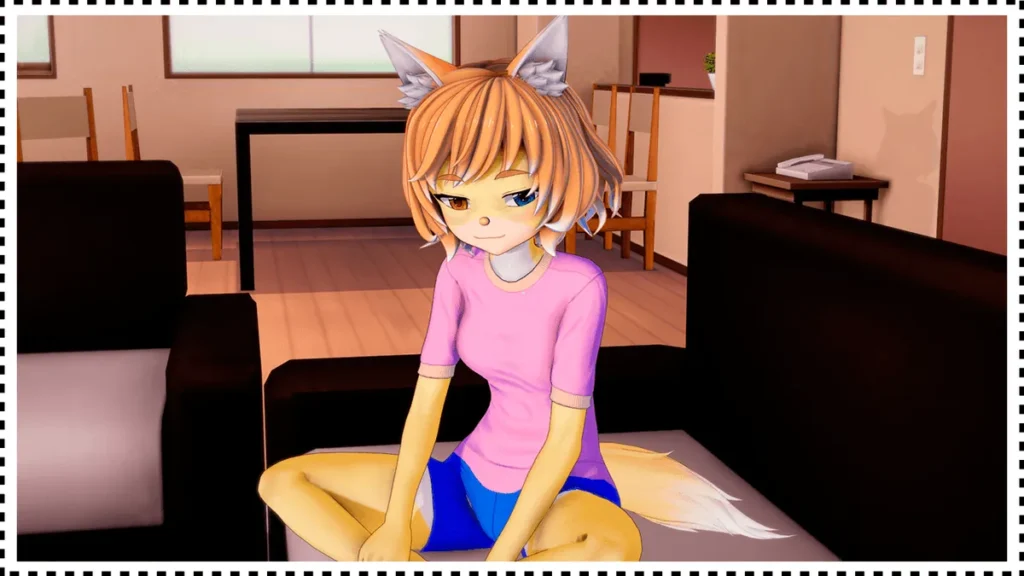
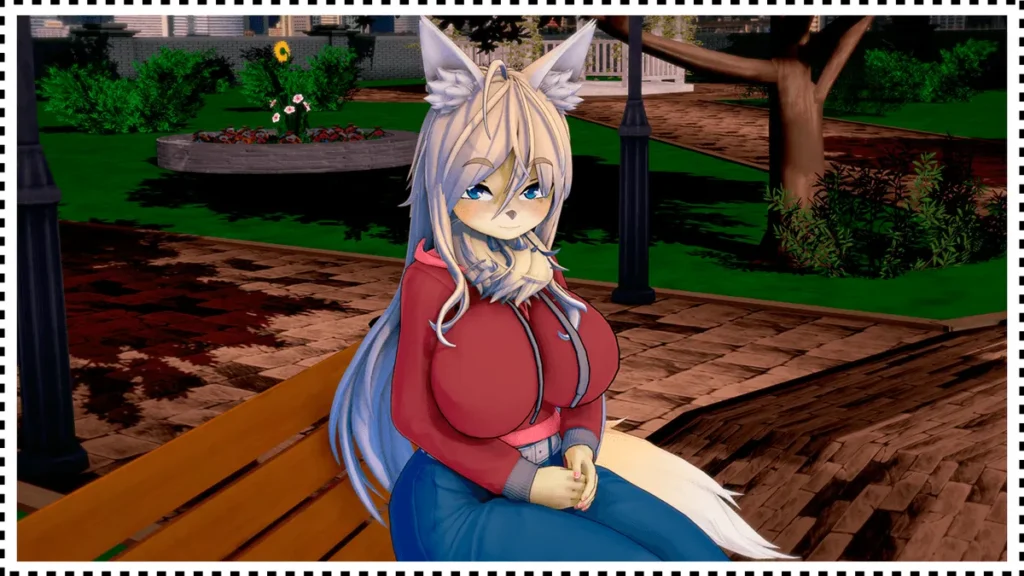
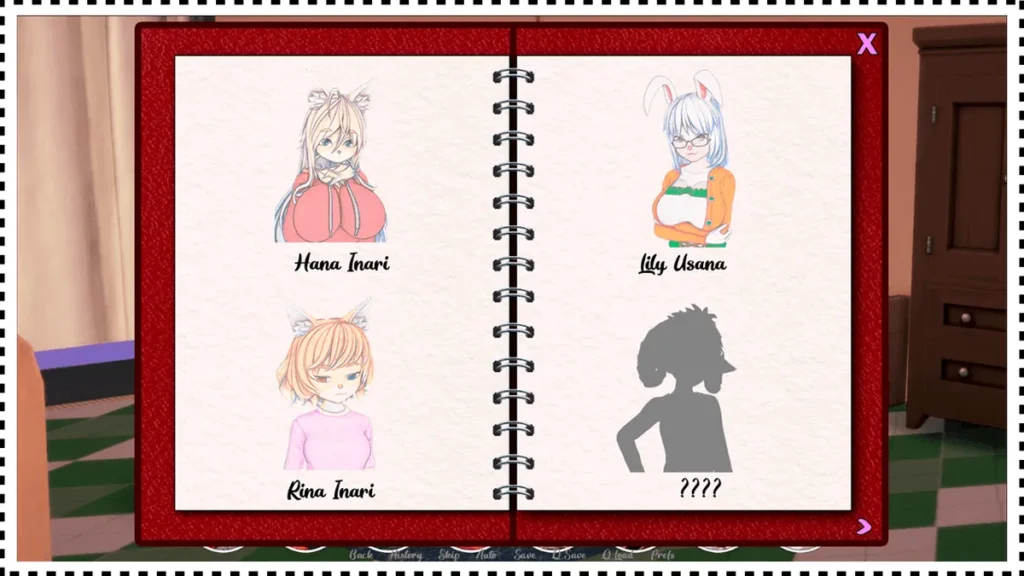
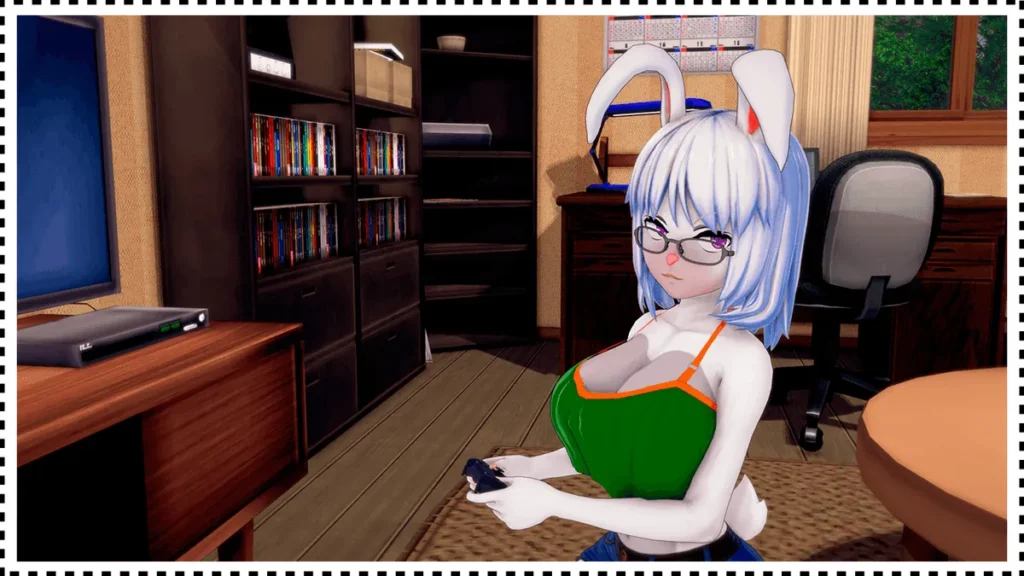
Love at First Tail review
Explore the Story, Characters, and Gameplay of Love at First Tail
Love at First Tail is an engaging visual novel game that combines an intriguing storyline with animated furry characters. Centered around returning to a hometown and reconnecting with old friends, the game offers a blend of narrative depth and interactive choices. This article dives into what makes Love at First Tail stand out, from its character development to gameplay elements, providing insights and personal reflections to help you understand why it’s a favorite among visual novel enthusiasts.
Understanding the Story and Setting of Love at First Tail
Remember that feeling of digging up an old photo album? The dust, the slightly faded colors, that sudden rush of memories you hadn’t thought about in years. Playing Love at First Tail is the digital, heart-tugging equivalent of that experience. This isn’t just another visual novel game storyline; it’s a deliberate, slow-burn journey back to a place called home, both literally and emotionally. If you’ve ever wondered what happened to your childhood friends, or felt the gentle ache of nostalgia, this game was made for you. Let’s unpack the magic behind its story and world.
What is the Core Narrative?
At its heart, the Love at First Tail story is a masterclass in reconnection. You step into the shoes of a protagonist who, after years away, returns to their sleepy, picturesque hometown. The reason for your return is left comfortably open, allowing you to project your own sense of longing or circumstance onto the character. The real journey begins not with epic battles or world-ending stakes, but with quiet moments: walking familiar streets, noticing what’s changed and what hasn’t, and cautiously re-entering the lives of people you once knew.
The narrative in Love at First Tail excels in its “slow-burn” approach. This isn’t a whirlwind romance that kicks off in the first five minutes. Instead, it builds emotional capital through accumulated, shared moments. A conversation at the local café, helping someone with a mundane task, reminiscing about a silly childhood event—these are the bricks that build a truly meaningful connection. I remember playing through one early evening scene, just sitting on a pier watching a sunset with a character, saying very little. The game trusted that silence and shared space could be more powerful than pages of dialogue, and it was right. That’s the hallmark of a great emotional story visual novel; it makes you feel the weight of time and the sweetness of rediscovery.
The core loop is beautifully simple: explore the town, interact with its residents, and gradually peel back the layers of your past relationships. Each choice you make, from the conversational topics you pick to the places you decide to visit, gently steers you closer to a particular character’s path. The brilliance lies in how these choices feel organic. You’re not selecting “Romantic Option A”; you’re choosing to be a kind, attentive person, and the relationships grow naturally from that foundation.
Who Are the Main Characters?
The soul of this experience lies in its cast. The Love at First Tail characters are not just archetypes; they are individuals who have also been living their lives, growing, and changing in your absence. Reconnecting with them feels less like checking off a list and more like genuinely getting to know someone all over again.
You’ll encounter a small group of old friends, each with their own distinct personality, dreams, and subtle baggage from the past. One might be the responsible one who never left, now feeling the weight of the town’s expectations. Another could be the free spirit who traveled but has returned with a new perspective. The writing ensures they have lives and conversations that exist outside of you, making the world feel alive.
To give you a clearer picture, here’s a breakdown of the kind of characters you can expect to meet on your journey home:
| Name | Personality Traits | Role in the Story |
|---|---|---|
| Kai | Reliable, nostalgic, subtly protective. The “anchor” of the friend group. | Often acts as your guide back into town life, representing the comfort and sometimes the constraints of home. |
| Maya | Energetic, creative, with a touch of wanderlust. Sees beauty in everyday things. | Brings color and spontaneity to your routine, challenging you to see your old home with new eyes. |
| Leo | Quiet, observant, deeply connected to nature and the town’s history. | Offers a path of introspection and peace, connecting the narrative to the setting’s deeper roots and secrets. |
| Ava | Ambitious, witty, with a carefully guarded soft side. The “driven” one. | Represents the pull of the outside world and future ambitions, creating compelling tension between past and future selves. |
My personal journey wound its way toward Maya. It wasn’t a conscious “I’ll pick her” decision at the start. Instead, I found myself consistently drawn to her artistic view of the world and her infectious enthusiasm for the town’s hidden gems. The game rewarded that organic attraction with a storyline that felt uniquely mine. That’s the power of well-written Love at First Tail characters—they make you care about their individual journeys, not just how they relate to you.
How Does the Setting Influence the Experience?
They say setting is a character, and that’s never been truer than in this game. The Love at First Tail setting is the quiet, indispensable catalyst for everything that happens. This isn’t a generic backdrop; it’s a lovingly rendered, game hometown setting that feels lived-in and rich with memory.
From the crumbling stone wall near the river where you all carved your initials to the family-owned bakery that still smells the same, every location is a potential trigger for a flashback or a heartfelt conversation. The visual novel game storyline uses this environment as a narrative tool. Want to get closer to Leo? Spend time helping him at the overgrown garden on the hill. Curious about Ava’s drive? Meet her at the old train station where you both dreamed of leaving as kids. The environment directly facilitates the storytelling.
This meticulous world-building creates an immersive, nostalgic atmosphere that is absolutely key to player engagement. 🍃 You don’t just learn about the town; you feel its rhythm. The way the light filters through the trees in the afternoon, the sound of the bell at the community center, the seasonal festivals that everyone prepares for—these details build a sense of place that’s hard to leave. I often found myself just “walking” around in-game without a specific goal, simply soaking in the ambiance. That’s when a game stops being a series of tasks and becomes a place you visit.
The Love at First Tail story leverages this setting to enhance its emotional core. The comfort of the familiar makes the moments of change and revelation hit harder. When a character shares a vulnerable secret in a place filled with happy childhood memories, the contrast is incredibly powerful. It grounds the entire emotional story visual novel in a tangible reality, making the relationships and their evolution feel earned and real.
So, if you’re looking for a narrative that values emotional authenticity over dramatic flair, and a world that invites you to stay awhile, Love at First Tail is your perfect homecoming. It proves that the most compelling stories aren’t always about finding something new, but about rediscovering what was always there, waiting for you to return.
Love at First Tail offers a rich visual novel experience that blends heartfelt storytelling with engaging gameplay and impressive animation. Its focus on character relationships and player choice creates a meaningful journey that resonates beyond typical visual novels. Whether you’re drawn by the narrative depth or the immersive design, this game provides a rewarding experience worth exploring. Dive into Love at First Tail today and discover a story that stays with you.