
Mist
Play Mist
Mist Screenshots




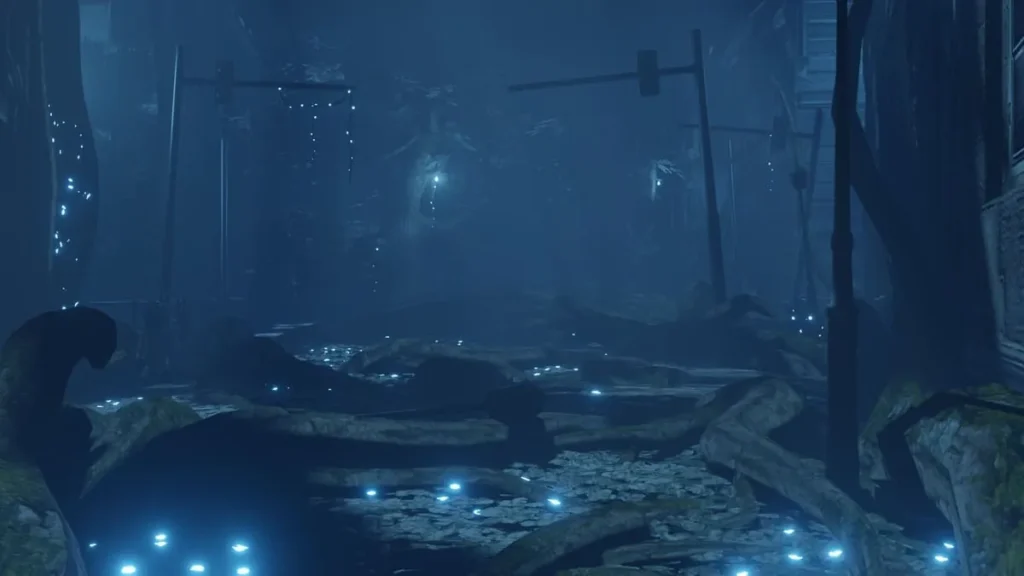
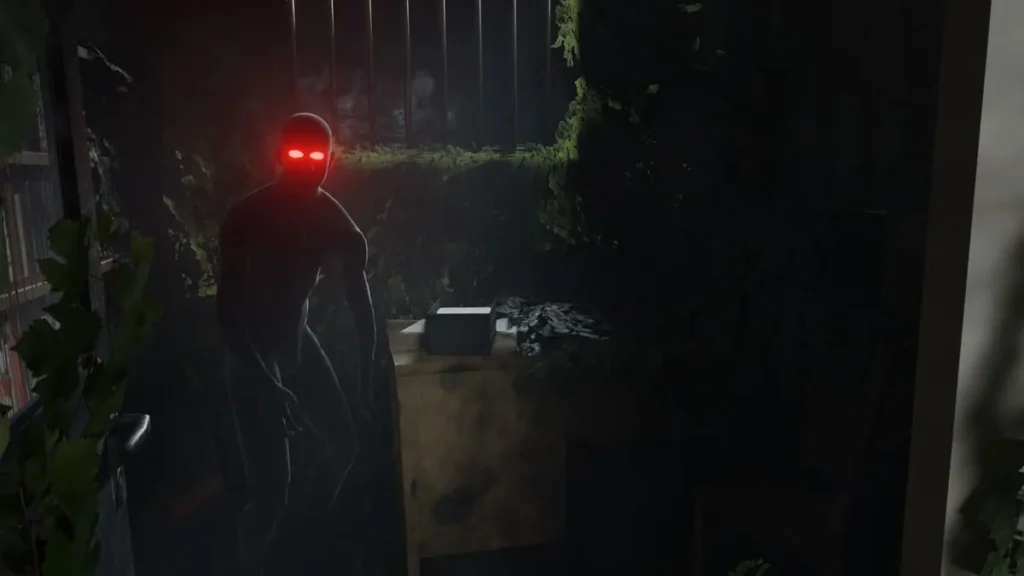






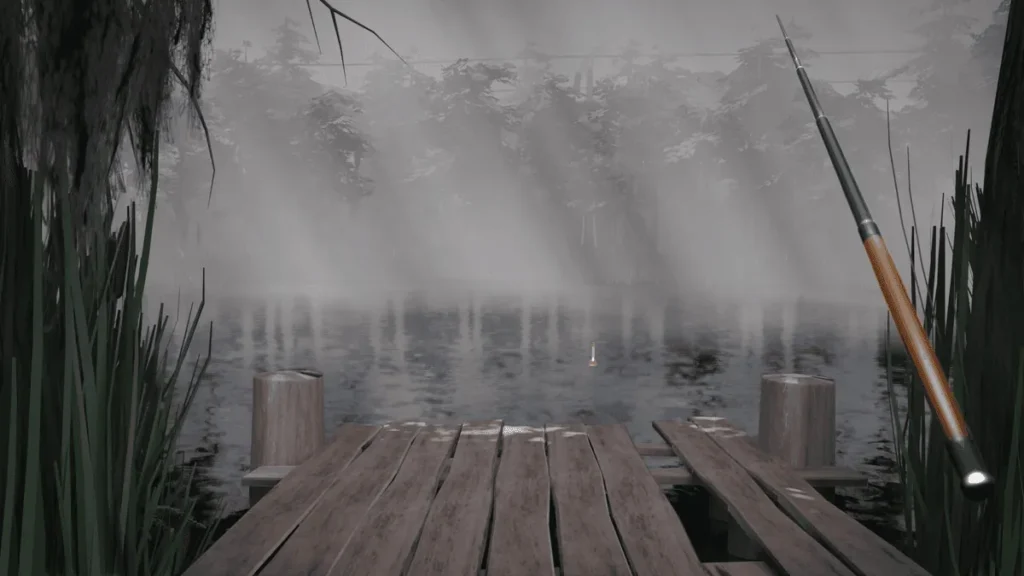


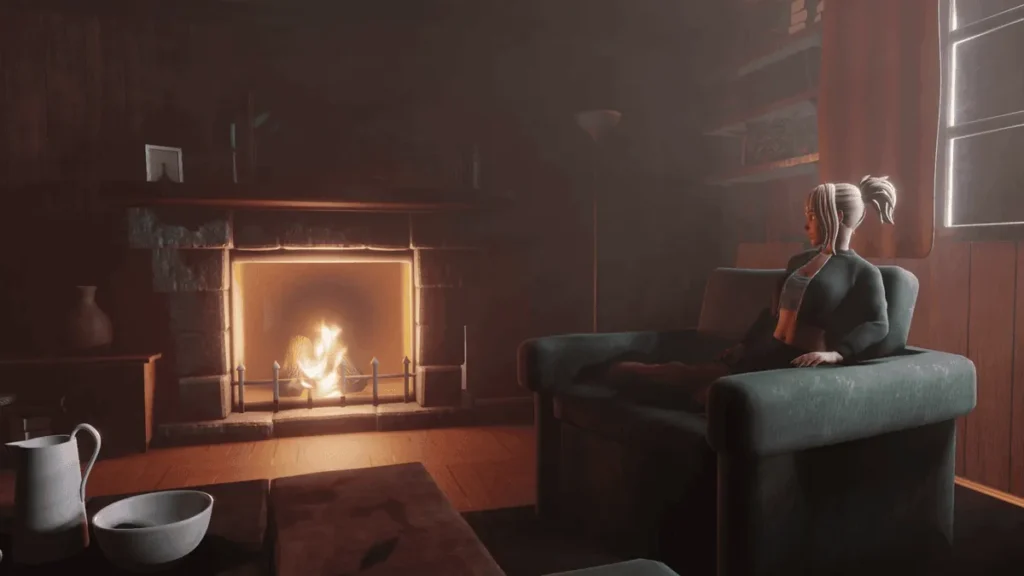
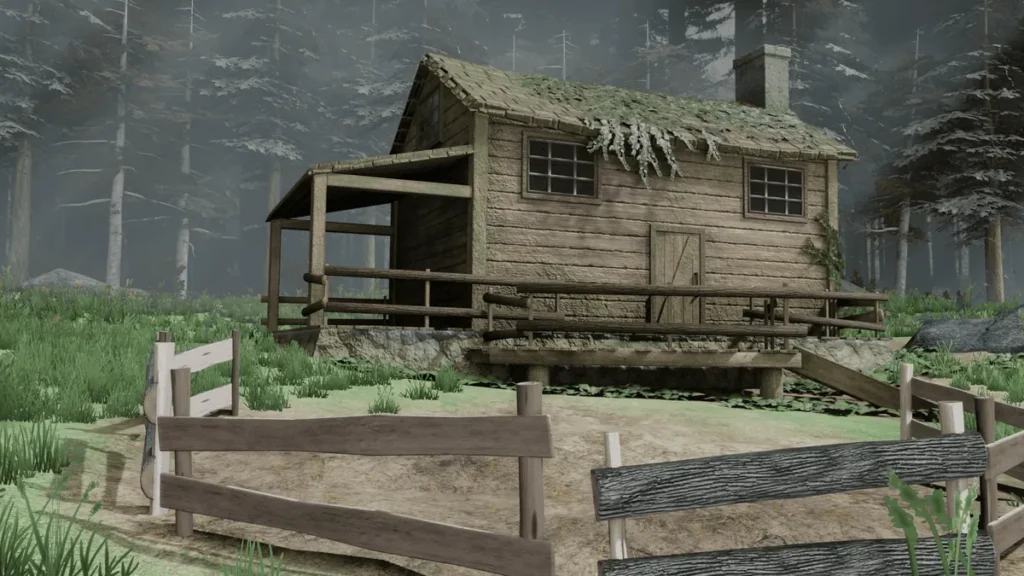
Mist review
Explore the immersive fog-shrouded world with turn-based combat, dynamic exploration, and character relationships
Mist stands out as a captivating survival mystery experience that blends atmospheric storytelling with engaging gameplay mechanics. Set in a world consumed by an unnatural fog, this game challenges players to navigate dangerous environments, encounter mysterious creatures, and build meaningful relationships with survivors. Whether you’re drawn to the intricate narrative, the strategic combat system, or the character-driven experience, Mist offers a unique combination of horror elements and interactive storytelling. This comprehensive guide explores everything you need to know about the game, from its core mechanics to character development and what makes it a standout title in its genre.
Core Gameplay Mechanics: What Makes Mist Unique
Let’s be honest: you’ve probably played games where the “gimmick” feels tacked-on. A weather system that’s just for show, or a survival meter that’s more annoying than engaging. When I first booted up Mist, I braced for more of the same. What I discovered, instead, was a world where every single mechanic is intertwined, where the environment isn’t just a backdrop—it’s the main character, the antagonist, and your guide, all rolled into one shifting, spectral haze.
The true magic of the Mist game mechanics lies in how they refuse to exist in isolation. The fog dictates your combat. Your exploration uncovers secrets that change the fog. Your survival depends on reading this ever-changing relationship. It’s a masterclass in cohesive design. So, let’s pull back the veil and examine the three pillars that hold this incredible experience aloft.
The Dynamic Fog System: Your Greatest Challenge
If you take away only one thing from this Mist review, let it be this: the fog is everything. 🌀 This isn’t a static visual filter or a simple area-of-effect debuff. The dynamic fog system gameplay is a living, breathing entity with its own rhythms and rules. It thickens, recedes, and shifts based on a hidden clock tied to in-game time, weather patterns, and—most crucially—your own actions.
Here’s how it works in practice. One moment, you’re traversing a sun-dappled forest path, visibility clear. The next, a low chime echoes, the light dims, and a wall of pearlescent grey rolls in. Suddenly, your map goes fuzzy, distant landmarks vanish, and the comforting glow of save points is snuffed out. This is the Mist asserting itself. This system directly controls your core survival game mechanics. Resources like curative herbs or kindling for temporary safe-fires become visible only in certain fog densities. Venturing into a newly thickened area might reward you with rare materials, but it also dramatically increases the chance of a sudden, terrifying ambush.
I learned this the hard way. Early on, I grew overconfident after clearing a small grove. I disturbed an ancient shrine, thinking it would grant a power-up. Instead, a deep, resonant hum filled the air, and the fog—previously wispy—converged into an impenetrable soup in under a minute. What followed was a desperate, blind scramble as unfamiliar, distorted sounds closed in from all sides. My brilliant “puzzle solution” had turned the area into a deathtrap. This reactive nature is the soul of the dynamic fog system gameplay; the world remembers and responds.
Pro Tip: Always listen. The audio design is your early-warning system. A rising, windy whistle means the fog is thinning, perfect for safe exploration. A low, droning hum signals it’s thickening—time to find shelter or prepare for a fight.
This ever-present threat fundamentally shapes Mist player interaction with the world. You’re not just fighting monsters; you’re negotiating with the environment itself, learning its moods and using them to your advantage. Luring a powerful enemy into a clearing just as the fog lifts can give you the tactical edge you desperately need. Mastering this relationship is the game’s ultimate test.
Turn-Based Combat Strategy Against Mysterious Threats
When the fog closes in and the hollow-eyed creatures known as the Hollows emerge, the game shifts from tense exploration to deliberate, cerebral conflict. Forget reflexes; Mist demands turn-based combat strategy. This is chess, not a button-masher. 🛡️⚔️
The combat interface is elegantly simple on the surface. Each character and enemy has an initiative value determining their place in the turn order, displayed on a clear timeline. On your turn, you choose from core actions: Attack, Skill, or Item. The depth, however, comes from the context the fog provides. Your turn-based combat strategy must account for the visibility and the unique properties of your foes.
The Hollows are not mere damage sponges. Some are cloaked in fog, granting them evasion unless you use a specific skill or item to disperse it first. Others grow stronger as the mist thickens, their attacks gaining debilitating effects that can silence your healers or slow your heavy hitters. I remember a particular battle in a sunken cathedral where two different Hollow types played off each other: one that summoned protective fog patches and another that launched devastating attacks from within them. My usual brute-force approach led to a swift game over. Victory came only when I adjusted my turn-based combat strategy, using a character’s “Gust” skill to clear the fog patches before focusing fire.
This is where character synergy and preparation shine. Equipping a charm that grants “Fog-Sight” might reveal an enemy’s weakness, changing your entire skill rotation. Using an item to create a small, temporary zone of clear air can protect your party from ambient damage. Every element of the Mist game mechanics feeds back into the fight.
| Feature Category | Core Mechanics | Player Impact |
|---|---|---|
| Exploration & World | Dynamic Fog System, Reactive Environments, Audio/Visual Cues | Creates a living, unpredictable world. Exploration is high-risk, high-reward, demanding constant environmental awareness and adaptation. |
| Puzzle-Solving | Environmental Manipulation, Echo Collection, Spectral Lens Alignment | Puzzles are woven into the world and progression. Solutions often require observing fog patterns and using collected lore (Echoes), rewarding curiosity and logic. |
| Character & Progression | Fog-Dependent Combat, Charm System, Relationship-Driven Skills | Progression is deeply tied to understanding the mist. Character growth isn’t just statistical; it’s about unlocking new ways to interact with and survive the central environmental challenge. |
The genius of Mist’s combat is that it never feels separate from the exploration. It’s a direct consequence of it. The dynamic fog system gameplay sets the stage, and your turn-based combat strategy is the performance.
Exploration and Environmental Interaction
So, how do you navigate this beautiful, treacherous world? The Mist exploration mechanics are a constant dialogue between you and the environment. You’re not just a tourist; you’re an investigator, a cartographer, and an archaeologist, all while trying not to get eaten. 🗺️🔍
The world is full of interactive elements that form the core of the game’s environmental puzzle solving. You’ll rotate ancient stone mechanisms to channel beams of light, which can only be seen when the fog is at a specific density. You’ll collect “Echoes”—ghostly recordings of past events—that provide clues to these puzzles and deepen the lore. One of my favorite mechanics involves finding and aligning “Spectral Lenses.” These devices, when placed on specific pedestals, allow you to see ghostly structures or pathways that are otherwise invisible, often revealing secrets or safe passages through otherwise deadly terrain.
Flora and fauna are also part of this system. Bioluminescent plants pulse more brightly as the fog thickens, often marking safe paths or hidden resources. “Light Orbs,” floating wisps of energy, can sometimes be gently herded by your presence; following them has led me to secluded glades and vital supplies. This reactive world is the heart of Mist player interaction. Every action feels meaningful because the world answers.
Let me give you a concrete example. In the Whispering Weald, I found a Silent Grove—a circle of stones where all sound died. The fog here was perpetually, eerily still. A puzzle here required aligning symbols, but the clues were in Echoes scattered in the surrounding, more dangerous fog banks. My first few attempts were frantic races against the thickening mist. Then, I equipped a “Fog-Walker” charm I’d found earlier, which significantly slowed the fog’s rate of encroachment on my position. This single change transformed the experience. No longer racing the clock, I could methodically solve the puzzle. The reward was a permanent change to the grove: the fog lifted, creating a new, permanent safe zone and unlocking a story cutscene about the area’s past. My environmental puzzle solving, aided by smart preparation, had literally changed the game world.
This synergy is what defines the Mist exploration mechanics. You’re not just ticking off map markers; you’re healing a broken world piece by piece, and the game remembers your contributions. The path forward is never just about going from A to B. It’s about listening to the wind, reading the fog’s behavior, and using every tool and piece of knowledge at your disposal to uncover the truths hidden within the grey.
Ultimately, the Mist game mechanics form a brilliant, interlocking machine. The dynamic fog system gameplay creates the ever-present challenge. Your turn-based combat strategy is how you survive its direct threats. And the rich, reactive Mist exploration mechanics are how you push back against it, unraveling mysteries and reclaiming the land. The survival game mechanics aren’t a separate hunger meter; they’re embedded in your need to understand the environment. Every instance of environmental puzzle solving and Mist player interaction feels earned and significant. It’s a game that respects your intelligence, rewards your curiosity, and isn’t afraid to leave you wonderfully, strategically lost in the fog.
Mist delivers a compelling experience that successfully merges survival gameplay with intimate character interactions and atmospheric storytelling. The game’s turn-based combat system, dynamic fog mechanics, and exploration elements create engaging challenges, while the four distinct characters and relationship-building system provide emotional depth and replayability. Whether you’re drawn to strategic combat, environmental puzzle-solving, or character-driven narratives, Mist offers a unique blend of horror and interactive storytelling that rewards careful observation and strategic thinking. The impressive visual design, detailed animations, and carefully crafted sound design work together to establish an immersive atmosphere that keeps players invested in both the survival narrative and character development. If you’re seeking a game that challenges your mind and immerses you in a mysterious, fog-shrouded world, Mist is worth exploring. Dive into the mist, uncover its secrets, and discover why this game stands out as a memorable journey for players seeking depth and atmospheric engagement.