Ravager
Play Ravager
Ravager Screenshots


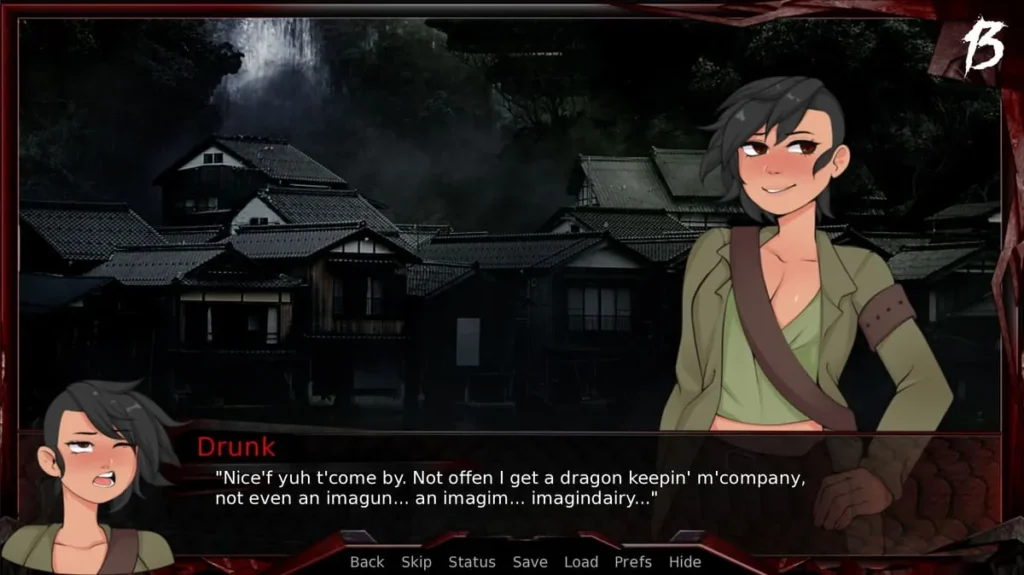
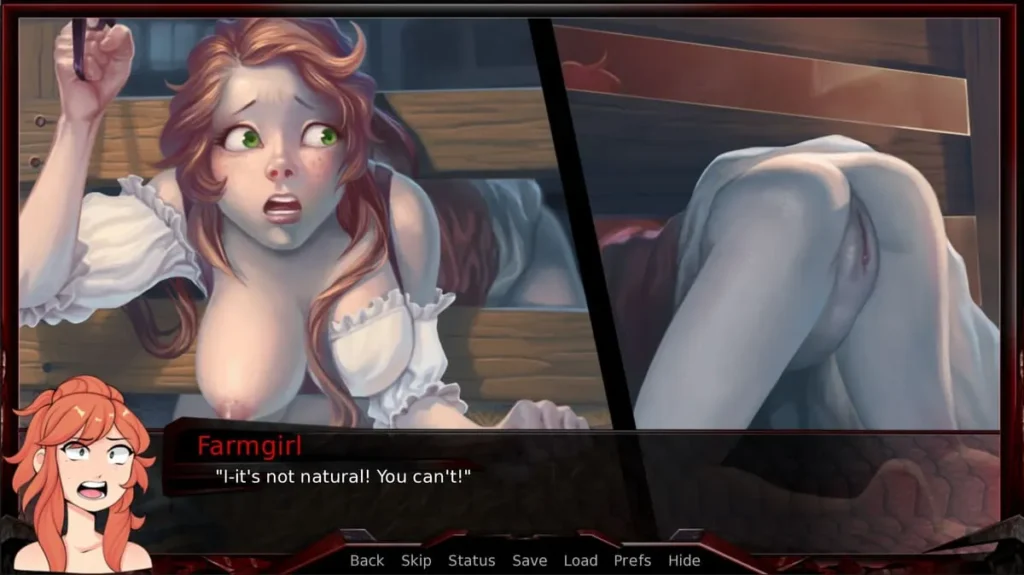
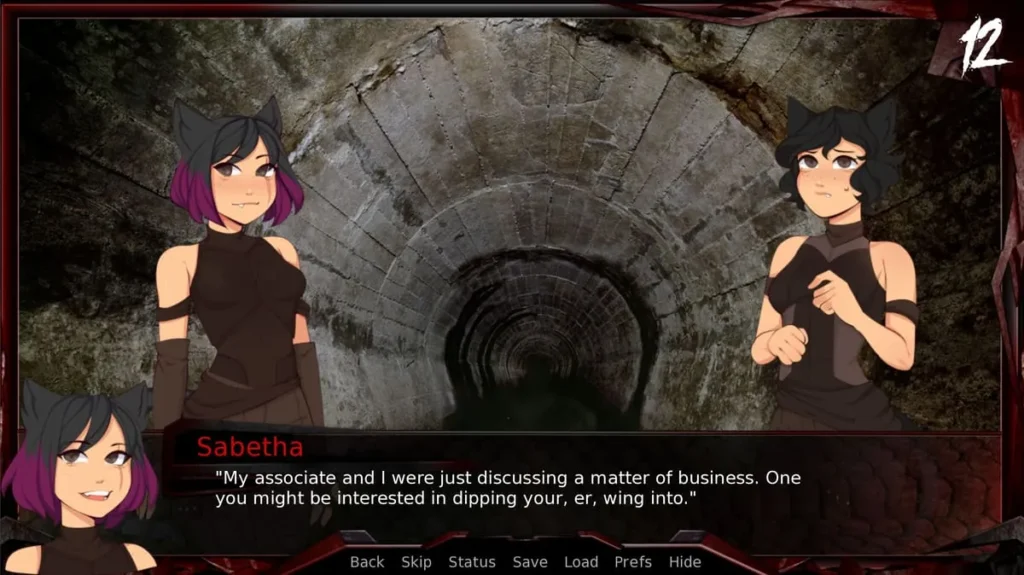
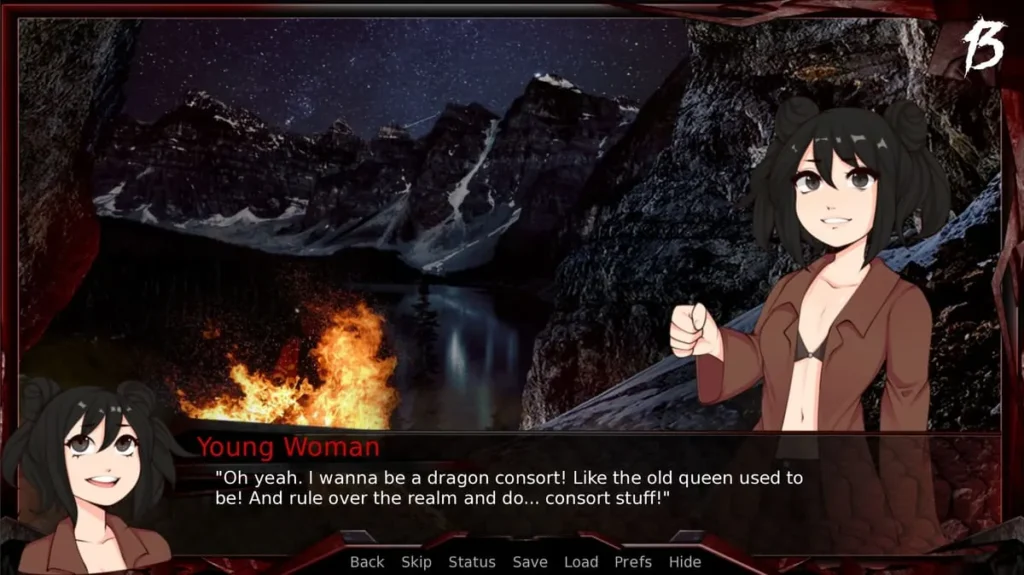
Ravager review
Master the dragon’s quest for power with this comprehensive walkthrough
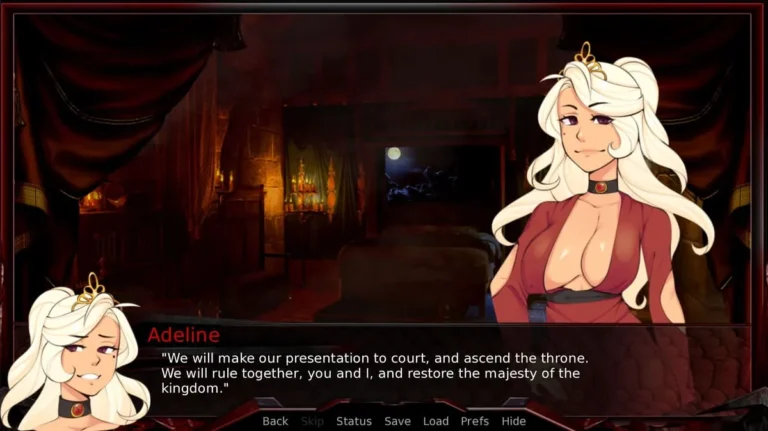
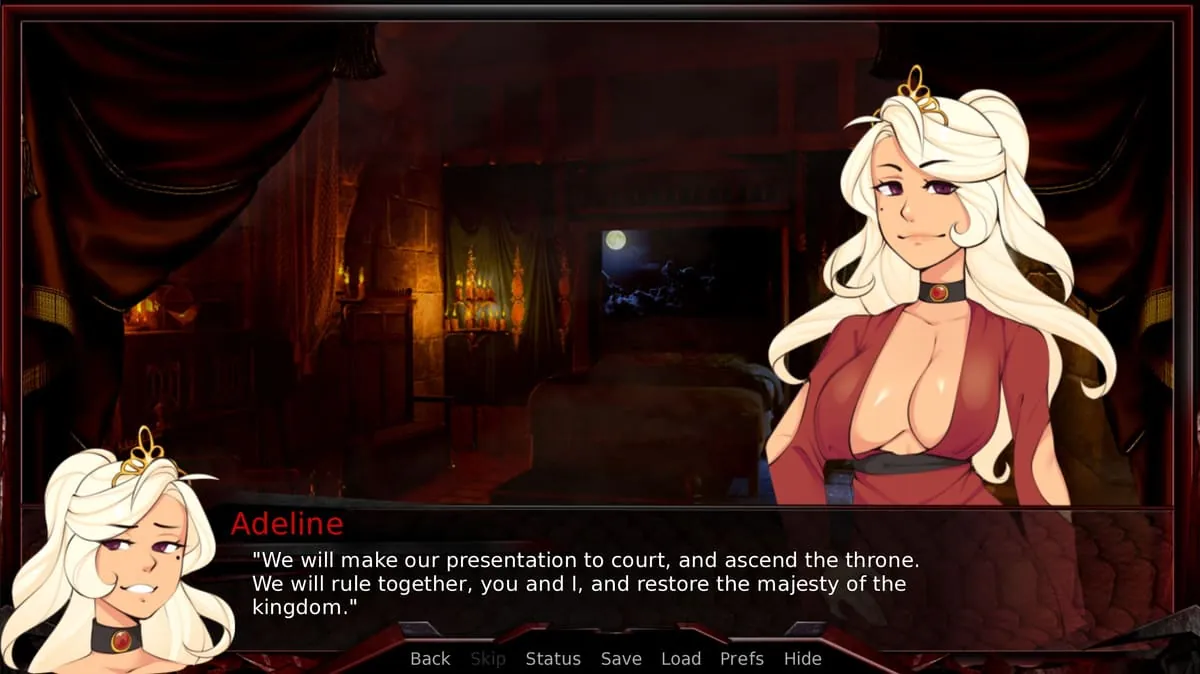
Ravager is a narrative-driven role-playing experience where players assume the role of a dragon cast from power by an usurper, embarking on a quest to reclaim the throne. The game unfolds across five acts, each introducing new mechanics and gameplay elements. Players navigate complex storylines, build relationships with multiple characters, manage faction dynamics, and make consequential decisions that shape their character’s moral code. Whether you’re seeking to understand the core mechanics, explore character interactions, or optimize your gameplay strategy, this guide provides comprehensive insights into what makes Ravager a unique interactive experience.
Understanding Ravager’s Core Gameplay Mechanics
At its heart, Ravager is a game about raw power and the choices that shape it. 🐉 You’re not just a dragon; you’re a force of nature with ambitions, and every snarl, every alliance, and every scorched village is a brushstroke on your legacy. Mastering the Ravager gameplay mechanics is less about memorizing complex controls and more about understanding how your dragon’s soul—represented by your stats—interacts with a living, reactive world. This guide will break down the core systems that make your quest for domination so uniquely compelling.
Character Progression and Stat Building
Forget generic health and mana bars. In Ravager, who you are is defined by six core attributes: Strength, Charm, Cruelty, Mercy, Potency, and Wounds. This isn’t just a character stat system; it’s your dragon’s personality and physicality quantified. Every dialogue choice, every action, and every victory feeds back into these stats, creating a feedback loop that truly defines your playthrough.
Early on, I learned this the hard way. I tried to play a sly, charming dragon, focusing on Charm to talk my way into a bandit camp. It worked beautifully—until their leader challenged me to a test of raw power. My pitiful Strength stat failed the check, and my “diplomatic” approach ended with me burning the place down in a panic. The game doesn’t just let you pick an option; it demands you have the attributes to back it up. Learning how to build character stats in Ravager is the first step to true mastery.
You increase stats primarily through use. Choose cruel dialogue? Your Cruelty will grow. Show unexpected leniency? Mercy gets a bump. Succeed in a physical contest? Strength improves. Potency is unique, governing your draconic abilities like breath weapons and spells, and grows as you use those powers. Wounds represent your physical and mental exhaustion, acting as a negative tracker—let it get too high, and you’ll start failing checks you’d normally pass.
The genius is in the synergy. A high Cruelty might unlock terrifying new ways to deal with prisoners in your lair, while a high Charm could give you more persuasive (and profitable) options with those same captives. You’re not just leveling up; you’re carving a personality.
Pro Tip: Don’t try to be good at everything. Focus on a primary pair (like Strength and Cruelty for a brutal tyrant, or Charm and Potency for a cunning sorcerer-dragon) and a secondary stat. This makes your dragon feel distinct and ensures you consistently pass the checks that matter for your story.
To see how these stats translate into action, here’s a breakdown:
| Stat | Primary Influence | Example Scenario & Check |
|---|---|---|
| Strength | Physical feats, intimidation, combat dominance, destroying obstacles. | Bending prison bars to escape, wrestling a rival monster, intimidating a warrior by sheer size. |
| Charm | Persuasion, deception, social manipulation, forming beneficial alliances. | Convincing a village elder to pay tribute willingly, tricking a knight into lowering his guard, negotiating a trade deal with merchants. |
| Cruelty | Ruthless actions, terror tactics, extracting information through fear, punitive measures. | Torturing a spy for secrets, executing a prisoner to send a message, choosing a particularly brutal method of attack. |
| Mercy | Compassionate acts, sparing lives, honorable conduct, building genuine loyalty. | Sparing a defeated foe, healing a wounded subordinate, showing kindness to a captive, which may later turn them into an ally. |
| Potency | Power of draconic abilities: breath weapons, magic, enchanting items, lair effects. | Using a superheated breath weapon to melt a fortress gate, enchanting a treasure hoard to curse thieves, casting a powerful domination spell on a human lord. |
| Wounds | Physical & mental fatigue. High Wounds cause automatic failures. | After a long battle, a high Wounds score may cause you to fail a simple **Charm** check or stumble during flight. |
Faction Systems and Horde Management
A dragon is nothing without its domain and its minions. This is where Ravager faction management and the Ravager horde system come alive, transforming you from a solitary beast into the ruler of a thriving (or terrified) ecosystem. Your lair is your command center, and every creature in it is a resource to be managed, exploited, or sacrificed. 👑
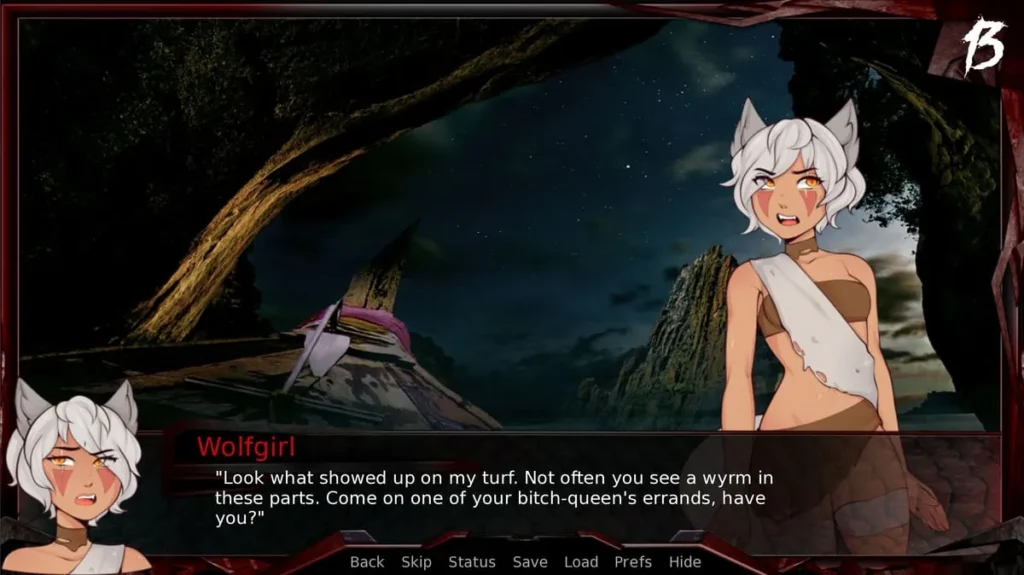
Factions like the goblins of Dreadmor, the human cultists of the Crimson Order, and the sly kobolds each have their own desires, strengths, and quirks. Managing them isn’t just about issuing orders; it’s about playing a delicate political game. The goblins are numerous but unruly, the cultists are fanatically loyal but have their own agenda, and the kobolds are clever trap-makers but physically weak. Your choices in how you reward, punish, or task these factions directly affect their morale, efficiency, and loyalty.
The Ravager horde system is your military and economic engine. Your horde isn’t a single number—it’s composed of units from your allied factions. You’ll send them on raids for gold and treasure, assign them to defend your lair from pesky adventurers, or task them with building improvements. Here’s the catch: sending your entire goblin tribe on a raid might bring in a huge haul, but it leaves their sector of your lair undefended and unhappy. I once got too greedy, sent everyone out plundering, and returned to find my treasure room pilfered by opportunistic kobolds and my larders empty. Balance is key.
Effective Ravager faction management means understanding that your minions have needs. They require food, gold, and security. A faction with high morale works faster and fights harder. A neglected faction might rebel or even sabotage your plans. The system creates constant, engaging trade-offs that make ruling feel active and consequential.
Personal Insight: I found that specializing factions works wonders. Use kobolds for trap-building and lair defense, goblins for mass raiding and crude labor, and cultists for delicate tasks like interrogation or enchanting. This plays to their strengths and keeps inter-faction squabbling to a minimum.
Decision-Making and Consequence Systems
This is the pulsating heart of Ravager. The game’s decision-based gameplay isn’t an illusion; it’s a complex web of cause and effect that ensures no two playthroughs are alike. Every choice, from a throwaway dialogue line to a major strategic decision, ripples outwards, permanently altering your relationships, closing some doors while violently smashing others open. ⚖️
The consequence system in Ravager is ruthlessly efficient. Spare a knight who swore to kill you, and he might later return with a company of soldiers to aid you against a greater threat—or he might see it as weakness and return with an even larger army. Burn a village that refused tribute, and you’ll gain fear and immediate resources, but you may turn an entire region irrevocably against you, locking out potential alliances. The game remembers everything.
This is deeply tied to the character stat system. Dialogue options are often gated by your stats, but the choices you make also feed those stats. It’s a brilliant cycle: your stats enable choices, and those choices further define your stats, shaping future possibilities. Want to be a dragon so charming you can talk a paladin into serving you? You need to consistently choose Charm-based options from Act I onward to build that possibility.
The story unfolds across a structured five-act narrative, with new mechanics and stakes introduced in each chapter. Here’s how the Ravager gameplay mechanics expand as your power grows:
- Act I: The Awakening 🥚 You establish your core identity. The basic character stat system, dialogue checks, and initial faction management (usually with one group) are introduced. Your goal is survival and claiming a lair.
- Act II: The Hoard Grows 💎 The Ravager horde system comes online fully. You begin serious lair expansion, manage multiple factions, and start seeing the longer-term results of your early decisions.
- Act III: Lord of the Land 👑 The strategic map becomes crucial. Decision-based gameplay shifts from local interactions to kingdom-level politics, with alliances and rivalries between external powers becoming major plot points.
- Act IV: The Gathering Storm ⛈️ The consequence system in Ravager reaches its peak. Every past choice weighs on you. Betrayals, unexpected alliances from spared foes, and the full military might of your enemies converge. Managing your horde and factions during a multi-front conflict is essential.
- Act V: The Final Ascension 🏆 All systems culminate. Your built stats face their ultimate checks, your faction loyalty is tested to the limit, and your horde is your final army. The ending you get is a direct product of every major choice and stat path you’ve followed.
Mastering Ravager means embracing this interconnected design. Your stats empower your choices, your choices manage your factions, your factions build your horde, and your horde enables the grand strategies that are judged by the game’s relentless consequence system. To rule this world, you must think like the dragon you are: ambitious, strategic, and utterly aware that every action, big or small, writes your legend in fire and blood. 🔥 Your quest for power is a story only you can tell, shaped at every turn by the mechanics you now command.
Ravager offers a rich, choice-driven experience where player decisions fundamentally shape the narrative and character development. By understanding the core mechanics—from stat management to faction systems—and recognizing how dialogue choices and actions create branching storylines, you can craft a unique playthrough that reflects your personal gaming style. The game’s strength lies in its flexibility, allowing players to embody different character archetypes and moral codes. Whether you prioritize strategic stat building, narrative exploration, or relationship development, mastering these systems enhances your overall experience. As you progress through the five acts, remember that your choices accumulate to define not just the story’s outcome, but your character’s identity within the world.