Rick and Morty Sex Game : Another Way Home
Play Rick and Morty Sex Game : Another Way Home
Rick and Morty Sex Game : Another Way Home Screenshots






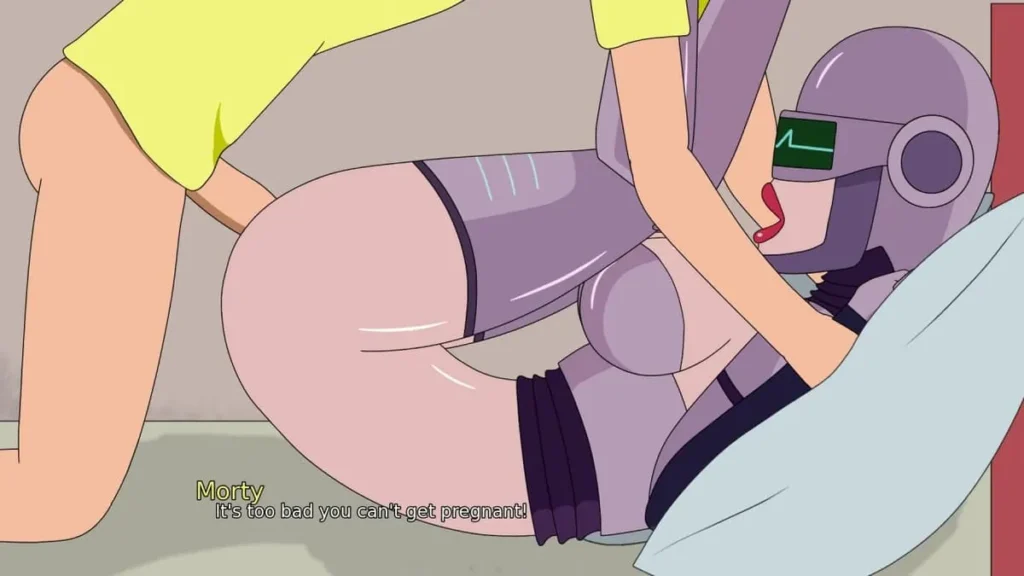


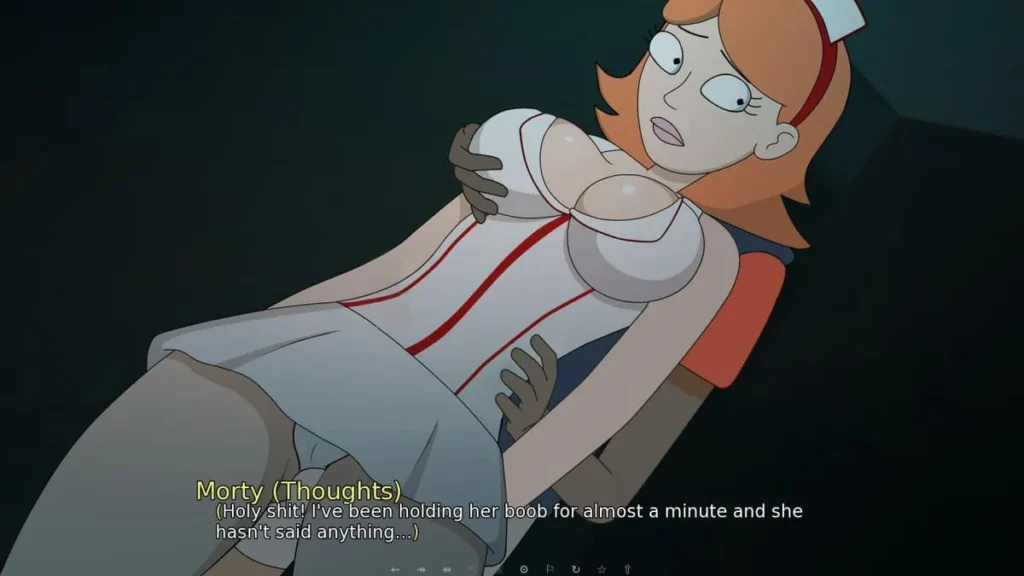







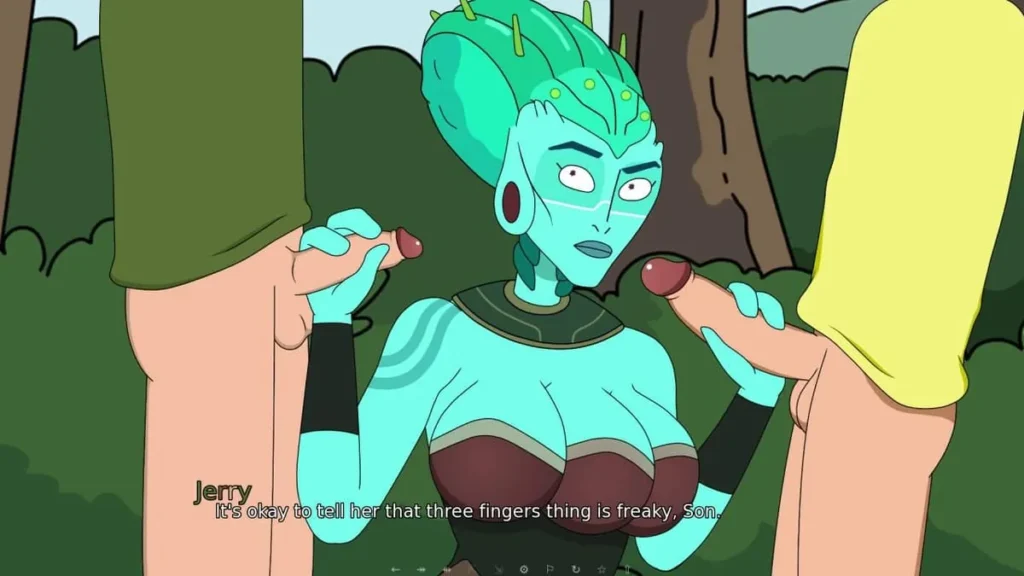



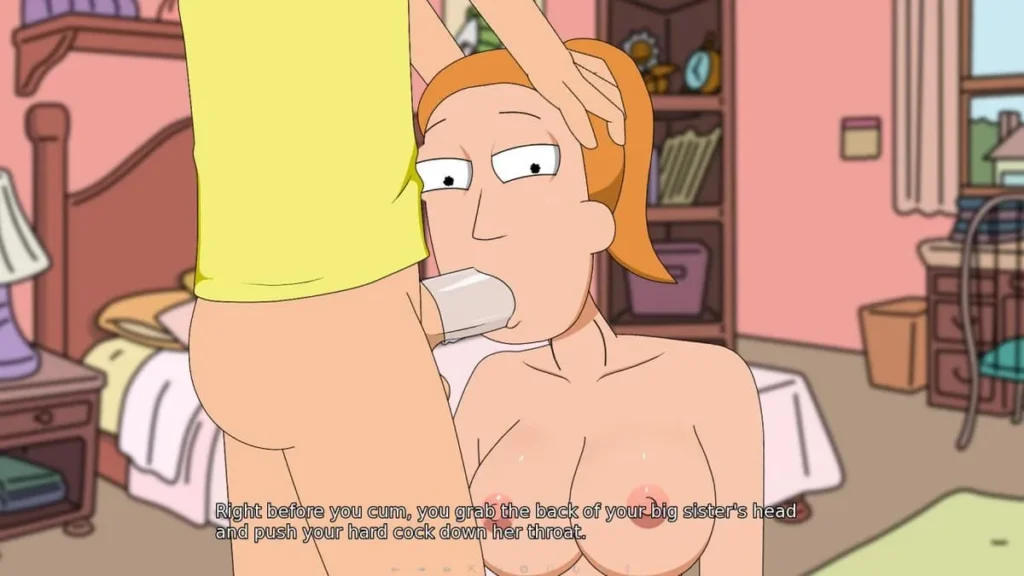
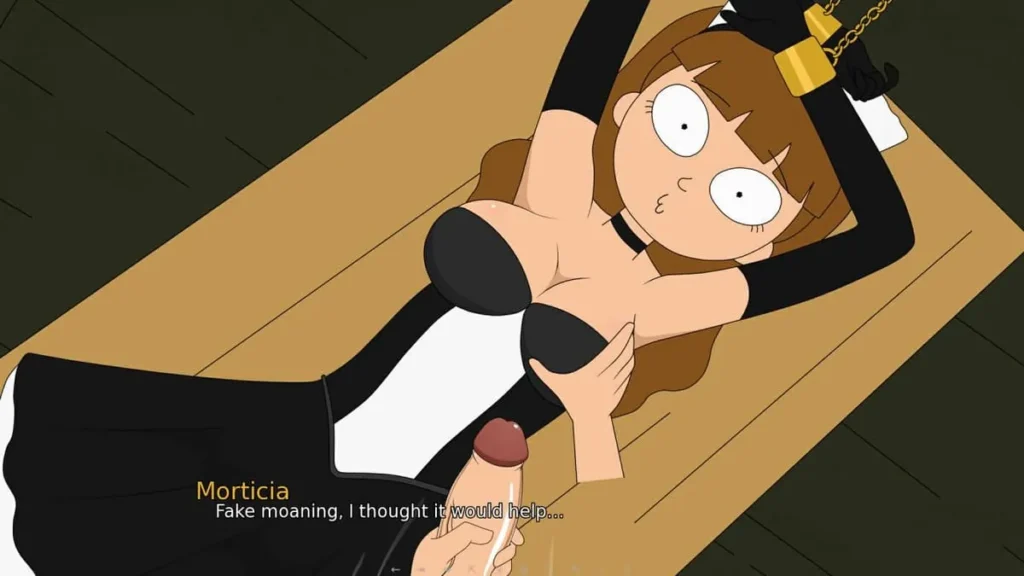
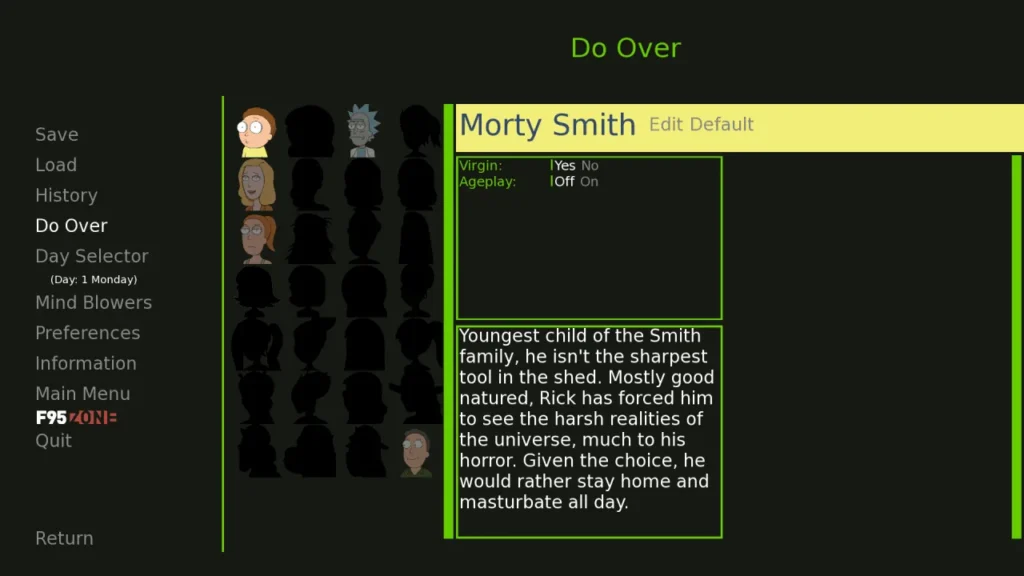
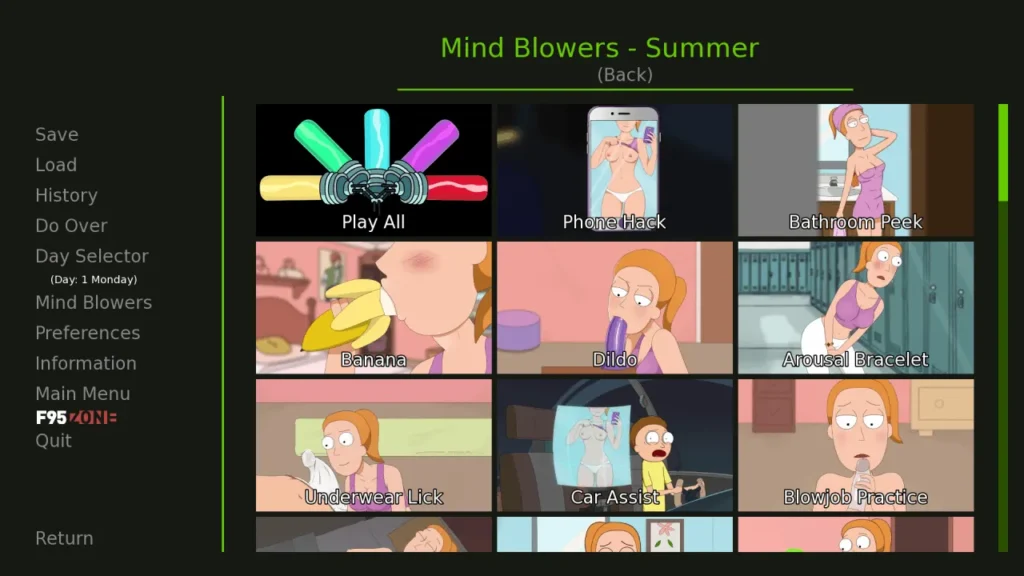
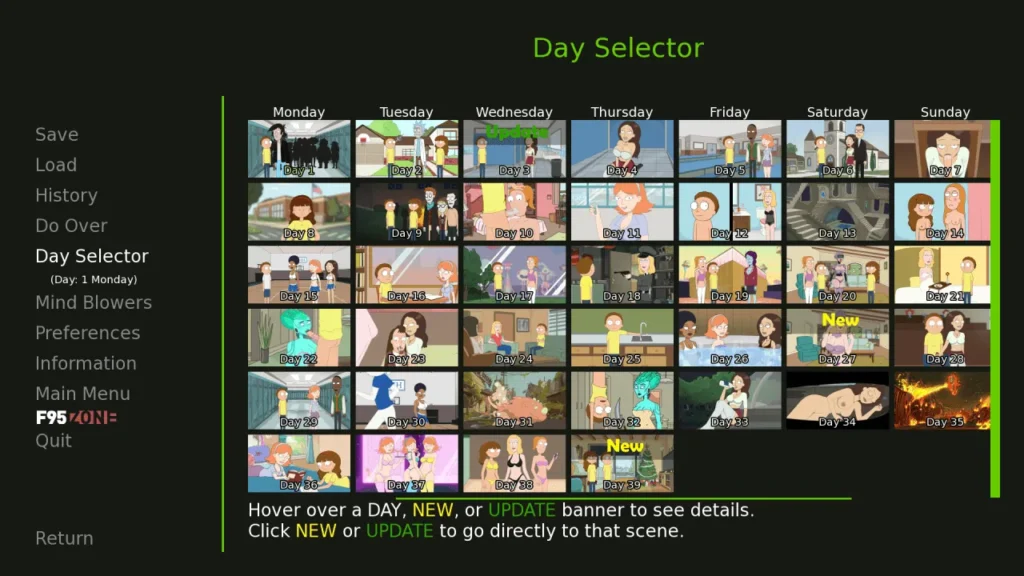
Rick and Morty Sex Game : Another Way Home review
Explore the unofficial fan remake with gameplay mechanics, features, and what to expect
Rick and Morty: Another Way Home is an unofficial Ren’Py fan remake that brings an adult-oriented twist to the beloved animated series. This choice-driven visual novel lets you play as Morty navigating through a multiverse adventure filled with decision-based storytelling and interactive elements. Whether you’re a longtime fan of the show or curious about fan-made games, this comprehensive guide covers everything you need to know about gameplay mechanics, features, story progression, and how to experience this fan creation. Discover what makes this remake stand out among fan projects and why it resonates with players who appreciate both the show’s spirit and creative fan interpretations.
Gameplay Mechanics and Core Features
Ever get completely fed up with a game where your choices don’t matter? You click through dialogue, maybe pick an option that feels “good” or “evil,” but the story just railroads you to the same lame ending. I’ve been there more times than I care to admit, especially with fan projects that have heart but lack depth. That’s why stumbling into Rick and Morty: Another Way Home was such a breath of fresh, interdimensional air. This isn’t just another fan tribute; it’s a meticulously crafted narrative experience that understands what makes a choice-based gameplay mechanics system truly compelling.
Built on the versatile Ren’Py engine, this fan remake takes the core premise—Morty stranded in a strange dimension—and transforms it into an interactive odyssey. Your decisions directly weave the plot, resourcefulness unlocks paths, and mini-games test your mettle, all wrapped in visuals that feel ripped from the show. This chapter is your portal gun to understanding everything that makes this game tick. We’re diving deep into the mechanics that turn you from a passive viewer into the active architect of Morty’s (mis)adventures. 🚀
Choice-Based Progression and Multiple Endings
At its heart, Another Way Home is a visual novel, but to call it just that is like calling Rick’s garage “a bit messy.” It severely undersells the experience. The core of the game is its interactive storytelling elements, which are powered by a complex web of player decisions. From the moment you crash-land, you’re in control of Morty’s personality, relationships, and ultimately, his fate.
This is where the Ren’Py fan remake features really shine. The engine allows for a branching narrative structure that feels organic, not like you’re just checking boxes. Conversations with characters like Summer, Jessica, or even alternate-dimension versions of familiar faces present you with meaningful choices. Will you be confident or neurotic? Charming or awkward? Strategic or impulsive? The game remembers. I learned this the hard way on my first playthrough. I tried to play it cool with Jessica, brushing off interdimensional danger as “no big deal,” only to find later that she dismissed my later, genuine concerns as more of my “fake bravado.” The narrative consistency is impressive.
The game expertly builds toward its multiple endings visual novel structure. We’re not talking about a simple “good, bad, and secret” ending here. Your journey culminates in endings that reflect the specific relationships you’ve nurtured, the secrets you’ve uncovered, and the moral compromises you’ve made (or avoided). Did you focus on finding a way home at all costs, or did you build a life in this new reality? The conclusions feel earned, offering drastically different emotional payoffs and character dynamics. To see everything, you’ll need to replay, making different pivotal choices. Here’s a quick list of the key decision points you’ll encounter:
- Character Affinity: Your dialogue and actions build (or break) rapport with each major character, unlocking unique scenes and story branches.
- Major Plot Crossroads: At several key moments, you’ll make decisions that lock off entire sections of the game, encouraging new playthroughs.
- Ethical Dilemmas: Sometimes, the “optimal” path requires a shady choice. The game doesn’t judge, but the characters will remember.
- Romantic Pursuits: Your focus can lean toward different characters, shaping not just the ending, but the entire middle act of the story.
The beauty of this choice-based gameplay mechanics system is that it makes you feel like Morty. You’re often overwhelmed, out of your depth, and trying to navigate social and physical chaos with limited tools. Your choices directly simulate that struggle, making every small victory or crushing failure deeply personal. It’s a masterclass in player agency. 🧠
Mini-Games, Challenges, and Resource Management
While dialogue choices drive the story, Another Way Home ensures you’re never just a button-masher. Sprinkled throughout the narrative are clever mini-games and challenges that pull you deeper into the world. These aren’t arbitrary arcade distractions; they’re logically woven into the plot. You might find yourself trying to hack a simple terminal using a logic puzzle, piloting a shoddy craft through an asteroid field in a reflex-testing sequence, or engaging in a turn-based, nerve-wracking confrontation.
My personal nemesis was an early-game “repair” mini-game where I had to match circuit patterns under a time limit. Failing it didn’t mean a “game over” screen; it meant Morty botched the repair, leading to a funnier, more disastrous scene where he had to improvise with duct tape and hope. This philosophy applies to all the mini-games and challenges—they are part of the story, altering the narrative flow based on your success or failure, which is a brilliant touch.
This leads perfectly into one of the game’s most engaging systems: the resource management system. Stranded without Rick’s infinite arsenal, Morty has to scavenge. You’ll explore environments, click on hotspots, and collect a variety of items—from mundane junk like glue and scrap metal to more exotic, dimension-specific gadgets.
Managing your limited inventory becomes a quiet, strategic layer of the game. Do you use that battery pack to power a scanner to find more items, or save it to unlock a sealed door that might hold a crucial story item? The resource management system is elegantly simple but profoundly impactful. It turns exploration from a passive activity into an active, rewarding hunt. You’re not just waiting for the next cutscene; you’re actively problem-solving, and the game rewards that ingenuity with expanded scenes, new interactions, and alternative solutions to problems.
To see how these core interactive pillars work together, let’s break them down:
| Core Feature | How It Works | Impact on Gameplay |
|---|---|---|
| Choice-Based Progression | Dialogue and action selections that build character affinity and branch the narrative. | Creates a personalized story and drives replayability for the multiple endings visual novel experience. |
| Mini-Games & Challenges | Contextual puzzles, reflex tests, and interactive sequences tied to plot points. | Breaks up visual novel pacing, provides skill-based engagement, and offers success/failure story branches. |
| Resource Management | Scavenging for items and making strategic decisions on their use to unlock areas/scenes. | Adds a layer of strategy and exploration, rewarding thorough players with more content and choices. |
| Visual & Animation Design | 2DCG art styled after the show, with expressive character sprites and scene-specific animations. | Enhances immersion, delivers comedic and emotional payoff, and solidifies the game’s authentic feel. |
Visual Design and Animation Quality
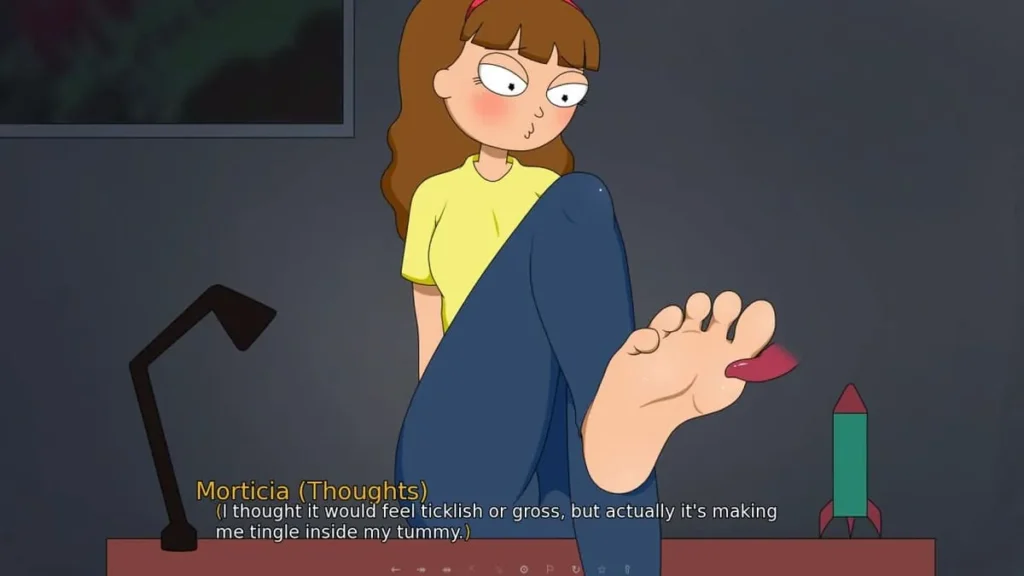
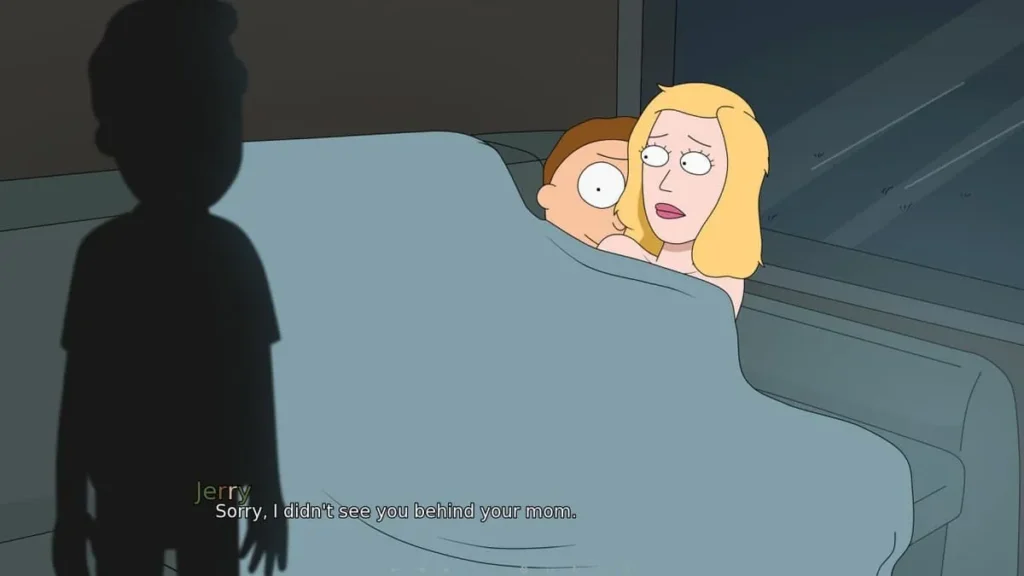
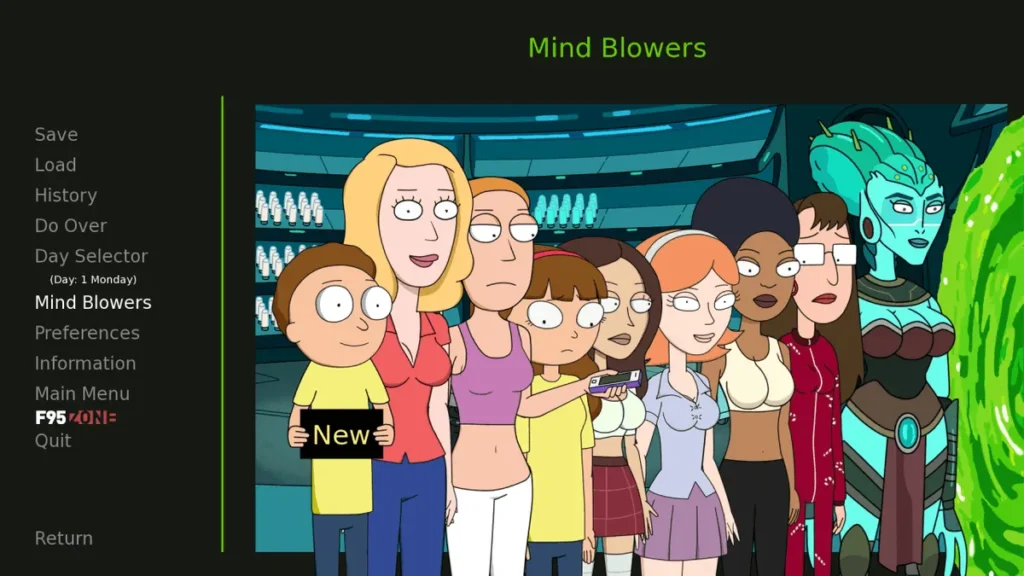
Let’s be real: many fan games have great ideas but look, well, totally rubbish. Another Way Home immediately bucks that trend. From the main menu, the commitment to visual quality is apparent. The game utilizes a polished 2DCG art style that faithfully replicates the rough, ink-lined, and exaggerated aesthetic of the original Rick and Morty show. Character designs are instantly recognizable—Morty’s anxious hunch, Summer’s teenaged exasperation, Jessica’s casual cool—all are rendered with loving accuracy.
But the static art is just the foundation. Where the game truly comes alive is in its character animation quality. This isn’t just about having a sprite blink or mouth move. We’re talking about detailed, scene-specific animations that sell the comedy and emotion. When Morty panics, he doesn’t just shake; he might stumble back, arms flailing, with a perfect, frame-by-frame exaggeration of his signature terror. A character might do a double-take with a smooth, weighted motion that gets a genuine laugh. The character animation quality is a massive part of the humor and storytelling, making every interaction feel dynamic and alive.
These Ren’Py fan remake features—the ability to implement complex animations and layered visuals—are used to their fullest. Scenes transition smoothly, visual effects sell the sci-fi elements, and the “camera” can focus, pan, or zoom for dramatic or comedic effect. It feels professional. The adult-oriented content, when it appears, is also handled with this same standard of animated care, integrated as a natural, if explicit, extension of the narrative choices you’ve made, rather than feeling tacked-on.
It’s worth noting what the game isn’t: there’s no sandbox mode. This is a focused, structured narrative experience (currently sitting at version r4.2.1 with a 1.26 GB file size, packed with content). The developers chose depth over breadth, expanding scenes and offering “finishing choices” for various sequences to provide conclusion and variety within its core story framework. Every visual and animation choice serves that story, maintaining authenticity to the show’s chaotic spirit and sharp dialogue while building its own interactive legacy. The final result is an engaging fan experience where interactive storytelling elements, strategic resource management, and stellar presentation combine seamlessly. It proves that with the right vision and tools like Ren’Py, a fan project can offer a more compelling and personalized narrative journey than many official titles. Now, go grab your portal gun and start making some choices—just be prepared to live with the hilarious, heartbreaking, or downright weird consequences. 😄🔫
Rick and Morty: Another Way Home represents a creative fan project that successfully captures the essence of the original show while delivering a unique interactive experience. The game’s strength lies in its commitment to authentic character representation, combined with choice-driven storytelling that rewards player engagement through multiple endings and varied outcomes. From the strategic resource management system to the carefully crafted mini-games, every element serves the narrative while maintaining the show’s distinctive visual style. Whether you’re drawn to the branching storyline, the expanded character interactions, or the overall fan-made production quality, this remake offers a substantial experience for players seeking a different kind of Rick and Morty adventure. The game continues to evolve with regular updates, ensuring fresh content and improvements for the community that supports it.