
Play Sylphine
Sylphine Screenshots


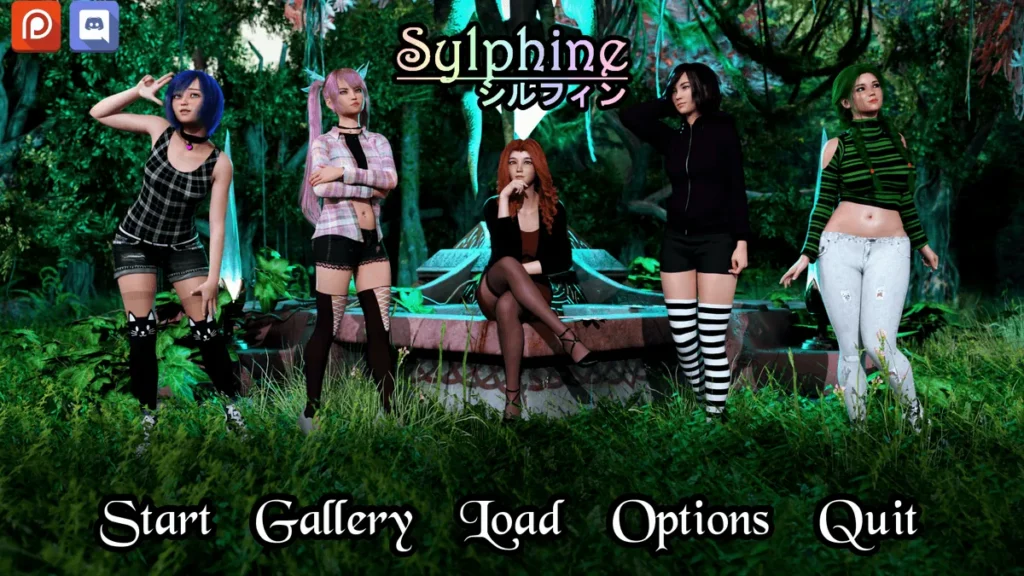













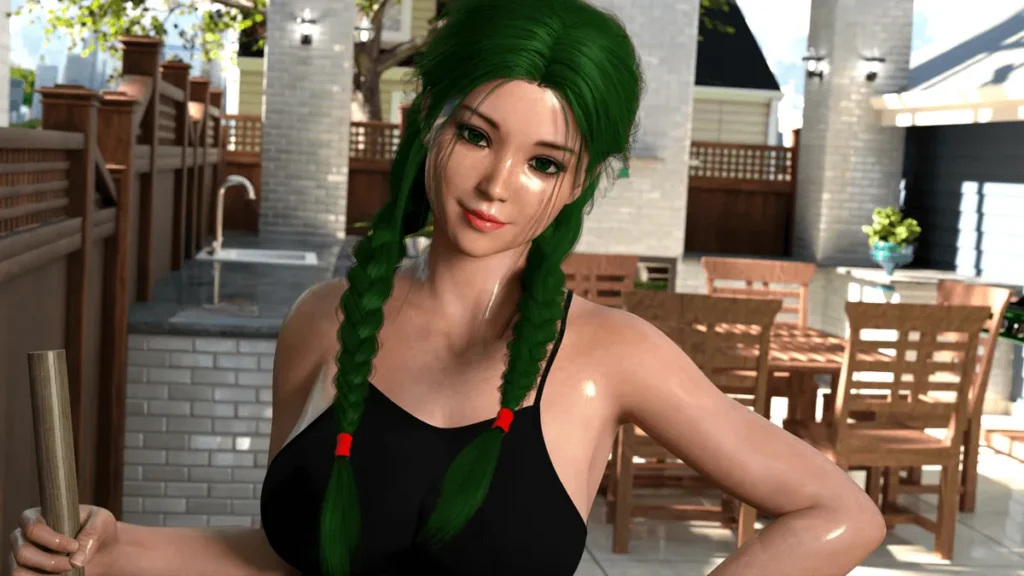
Sylphine review
Master the choice-driven mechanics and branching narratives of this immersive interactive experience
Sylphine stands out as a sophisticated sandbox-style visual novel that seamlessly blends interactive storytelling with meaningful player agency. Built in RenPy, this game goes beyond traditional narrative experiences by placing you at the center of a world where every dialogue choice, relationship decision, and action genuinely shapes your journey. Whether you’re drawn to complex character dynamics, branching storylines, or the thrill of consequences that ripple through the narrative, Sylphine delivers an experience where your decisions truly matter. This comprehensive guide explores what makes Sylphine’s gameplay mechanics tick, how its relationship systems work, and why players keep returning for multiple playthroughs to uncover different story paths.
Understanding Sylphine’s Core Gameplay Mechanics
Welcome to the heart of the matter. If you’ve ever wondered what truly makes Sylphine more than just a story you watch, but a world you live and breathe in, you’re in the right place. Mastering its unique ecosystem of systems is the key to unlocking its deepest secrets and most rewarding conclusions. Let’s pull back the curtain on the game’s genius design.
At its core, the Sylphine gameplay mechanics are a beautifully interlocked trilogy of systems. Every action you take is a thread woven into a grand, responsive tapestry. Forget static stories; here, your decisions in dialogue, your investment in relationships, and the skills you hone don’t just influence the plot—they are the plot. This is a living world that remembers, reacts, and rewards your unique approach. It’s the ultimate expression of Sarrative branching game design and Sylphine player agency.
How Choice and Consequence Systems Shape Your Story
In most games, a “big choice” is obvious—a glowing button that says “Save the Village” or “Burn it Down.” Sylphine is far more subtle, and frankly, more brilliant. Its choice and consequence system operates on multiple, interconnected layers, making your journey feel authentically yours. It understands that life is rarely about one monumental decision, but a thousand small ones that define who you are to others.
Think of it like this: major plot decisions act as the trunk of your story tree, defining your primary path. But every single dialogue option, every gesture, and even your silence acts as a branch, twig, and leaf, shaping the canopy of your experience. This creates a complex web of branching storylines where no two playthroughs are ever truly identical. 🎭
The magic is in the hidden flags. During a tense council meeting, you might have three dialogue options:
* “We must consider diplomacy first.” (Diplomatic)
* “Talk is cheap. Show me a plan of action.” (Pragmatic)
* “They’ve insulted our honor. We answer with steel.” (Aggressive)
Seems straightforward, right? But here’s where Sylphine shines. Let’s look at a specific example. Early on, you might encounter Kaelen, a proud but wary knight, and Lyra, a pragmatic scholar, arguing over how to handle a restless spirit in the town archives. You can choose to:
* Side with Kaelen, advocating for a protective banishment.
* Side with Lyra, urging careful study and communication.
* Make a sarcastic remark like, “Or we could just ask it to leave politely and see what happens.”
That flippant, sarcastic choice might seem minor. But here’s the consequence: Kaelen, who values solemn duty, is mildly offended, subtly lowering his affinity. Lyra, however, who appreciates unconventional thinking, finds it amusing and her affinity ticks up. Weeks later in the story, this split-second choice could determine which of them trusts you enough to share a crucial piece of intelligence about a coming betrayal, opening up a completely different avenue to resolve a later crisis. This is the choice and consequence system at its finest—a ripple that becomes a wave.
This system is amplified by timed decisions in key scenes, where hesitation itself is a choice, and a three-dimensional approach to major events. A confrontation isn’t just about picking a dialogue option; it might involve choosing between a diplomatic appeal (relying on your Speechcraft skill), a magical demonstration (testing your Arcana), or a show of tactical insight (using your Strategy skill). The path you choose to navigate the moment directly dictates which branches of the narrative become available to you. It’s a masterclass in interactive story mechanics.
The Affinity System: Building Authentic Character Relationships
If choices are the language you speak, then the character affinity system is how the world listens and learns to understand you. This is the silent, beating heart of Sylphine’s social fabric. Every major character has a dynamic, internal meter that tracks your standing with them, influenced by every interaction. This isn’t a simple “like/dislike” bar you can max out with gifts. It’s a nuanced reflection of respect, trust, shared values, and sometimes, friction.
This character affinity system works in several powerful ways:
* Unlocking Unique Dialogue: High affinity with a character means they’ll open up, sharing personal fears, hidden ambitions, and secrets they tell no one else. You’ll get unique, affectionate (or respectfully challenging) response options that are simply unavailable if they see you as a stranger.
* Altering Plot Outcomes: A character’s willingness to help you in a crisis, believe your wild theory, or follow you into danger is directly tied to how they feel about you. That crucial piece of evidence? They’ll only hand it over if they trust you implicitly.
* Initiating Romance Paths: Romantic relationships aren’t triggered by a single “romance option.” They blossom naturally when affinity is high and your choices consistently align with that character’s worldview and desires. The game tracks compatibility, not just affection.
The system is elegantly opaque. You won’t see a number, but you’ll feel it in their body language, the tone of their voice, and the opportunities that arise. Spend time listening to Lyra’s research theories, and she may later offer you a unique enchantment for your gear. Challenge Kaelen’s rigid views with respectful debate, and he may come to see you as a trusted advisor, granting you sway over his faction. This sandbox-style structure for relationships means you’re navigating a social landscape where early, seemingly minor choices build the foundation of trust—or distrust—that everything later is built upon.
Skill-Based Progression and Its Narrative Impact
Your character in Sylphine isn’t just a vessel for choices; they are a person with growing competencies. Your skills—like Diplomacy, Arcane Lore, Stealth, or Tactical Insight—are not just combat stats or lock-picking tools. They are narrative keys. This is where pure role-playing meets tangible gameplay, creating a powerful loop where getting better at something literally changes the story you can tell.
Let’s break down the loop:
1. You make choices that align with a character’s values, raising your affinity with them.
2. High-affinity characters can become mentors, offering unique training that grants permanent bonuses or unlocks new tiers in related skills. Bond with the archivist, and your “Historical Knowledge” skill grows, letting you decipher ancient texts.
3. Your improved skills now allow you to pass skill checks during critical story moments. A high “Diplomacy” skill might let you calm a riot without bloodshed. A potent “Arcana” skill could allow you to commune with a spectral guide, revealing a hidden path.
4. Successful skill checks create new story branches, presenting options that were literally unthinkable before. You don’t just choose a path; you unlock it through your personal growth and relationships.
For example, imagine a scene where you’re trying to persuade a hostile faction to stand down. With low Diplomacy, your options might be limited to pleading or threatening. But if you’ve invested in that skill—perhaps through training from a diplomat you befriended—a third option appears: a compelling, nuanced argument that appeals to their history and honor, potentially turning enemies into uneasy allies and unlocking an entire peaceful resolution arc. This is Sylphine player agency in its purest form: your growth directly authoring the plot.
This cohesive trilogy—choice, affinity, and skill—forms the brilliant core of the Sylphine gameplay mechanics. It rewards you for paying attention, for thinking about who these characters are, and for role-playing a consistent persona. The game doesn’t just ask you what you want to do; it asks you who you want to be, and then builds the world in your image.
| Gameplay Feature | Direct Narrative Impact | Character Relationship Impact | Player Experience |
|---|---|---|---|
| Dialogue Choices | Sets hidden story flags; unlocks or closes future dialogue and event branches. | Immediately adjusts individual character affinity; defines your “personality” in their eyes. | Creates constant, low-stakes engagement; makes every conversation feel meaningful and reactive. |
| Major Plot Decisions | Determines the primary story arc (e.g., Alliance Path, Independent Path, Secret Path); locks/reveals entire chapters. | Can cause major shifts in group dynamics; may alienate some characters while aligning you closely with others. | Delivers epic, memorable moments of agency; gives weight and consequence to the hero’s journey. |
| Affinity System | Gates critical information, assistance, and unique story resolutions behind trust. | Drives all relationship development, from friendship to rivalry to romance, in a nuanced, invisible way. | Fosters deep emotional investment; rewards empathy and consistent role-playing. |
So, how do you master this? My advice is simple: play intuitively first. Don’t try to game the system on your initial run. Choose what feels right for the character you’re imagining. Listen to the people around you. Invest in skills that match your chosen personality. You’ll be amazed at how organically the branching storylines visual novel unfolds when you’re not obsessing over a guide.
Pro Tip: Keep multiple saves, especially before major chapter transitions. Not to reverse “mistakes,” but to marvel at how different a scene can play out when you bring a different skill to the forefront or have a different ally by your side. It’s the best way to appreciate the incredible scope of this narrative branching game design.
In the end, Sylphine trusts you with its world. Its interactive story mechanics are an invitation to co-author a legend. Every choice is a brushstroke, every relationship a color, and every skill a finer brush. The masterpiece you create is uniquely yours. Now go out there and start painting your story. 🌌✨
Sylphine represents a compelling entry in the visual novel genre that respects player intelligence and agency. Its strength lies in the seamless integration of gameplay mechanics with narrative, ensuring that every decision feels consequential and every interaction shapes your unique story. From the moment you step into the protagonist’s shoes and begin building relationships with the cast of characters, you’ll discover that Sylphine rewards careful attention to character dynamics and thoughtful decision-making. The game’s choice and consequence system, combined with its intricate affinity mechanics and skill-based progression, creates a cohesive experience where reading becomes a dance of strategy. Whether you’re drawn to exploring multiple romance paths, uncovering hidden story branches, or experiencing how different dialogue choices ripple through the narrative, Sylphine offers substantial replay value. The ongoing development and visual improvements promise to deepen an already engaging experience. If you’re seeking a visual novel that treats your choices as meaningful and your relationships as earned rather than granted, Sylphine delivers exactly that.