Summer with Mia
Play Summer with Mia
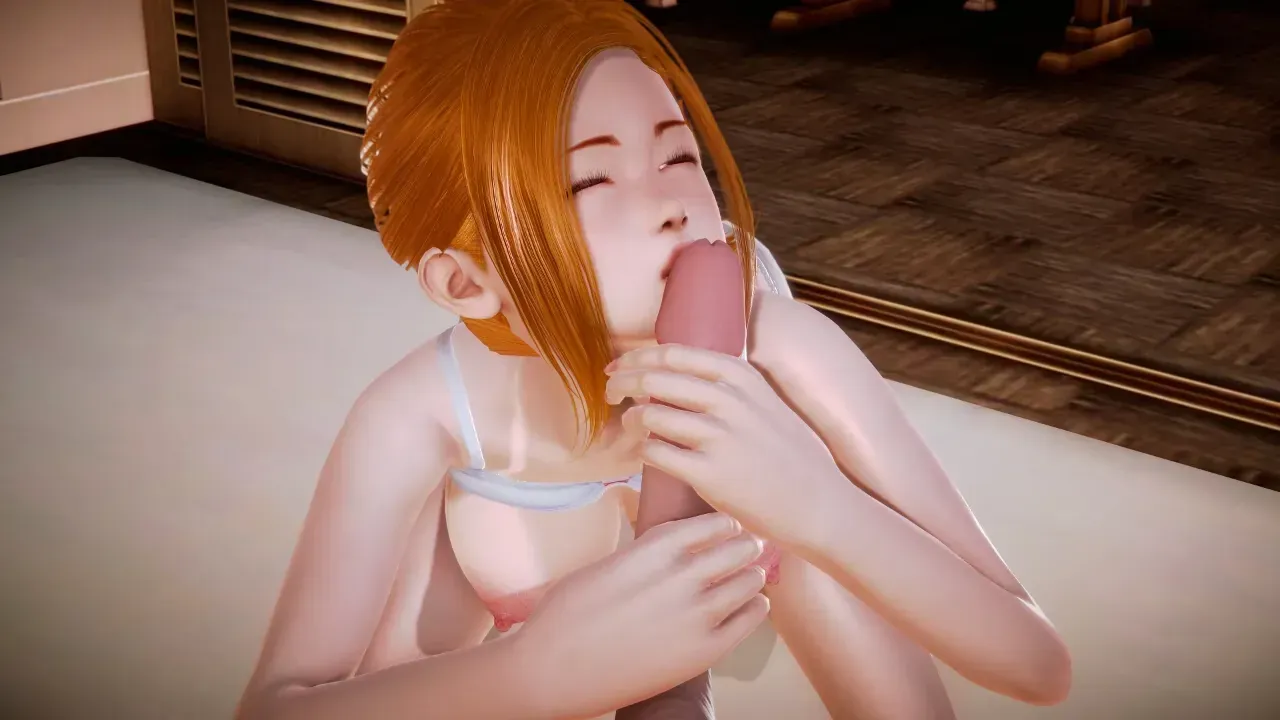
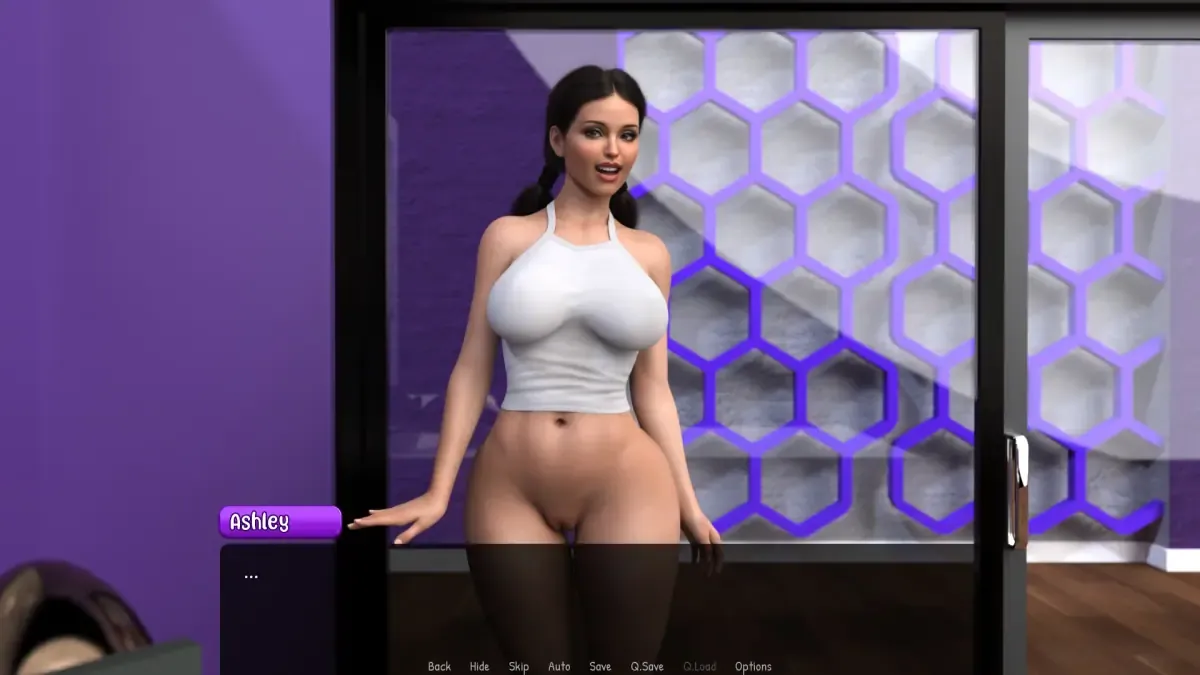
Summer with Mia Screenshots


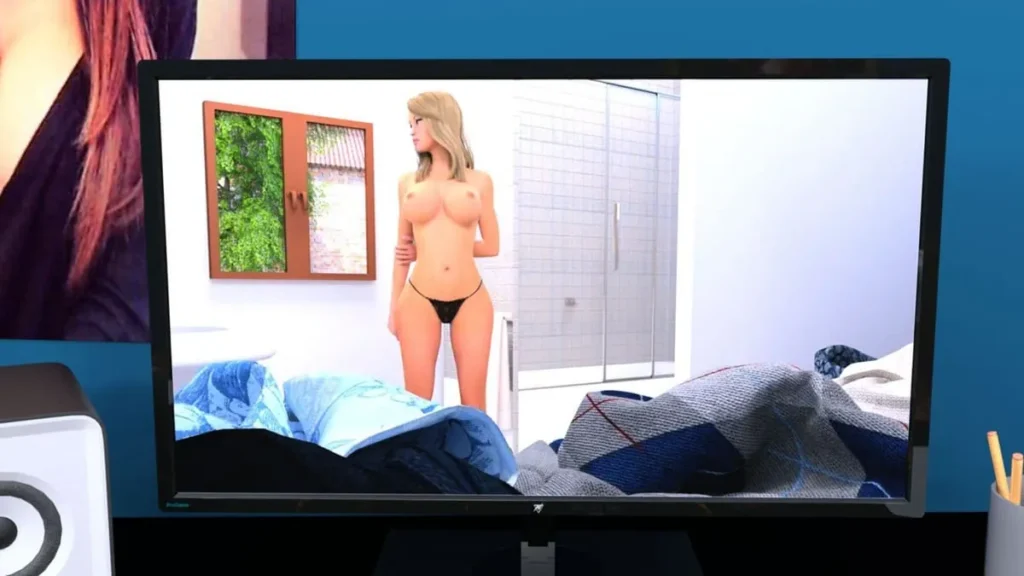
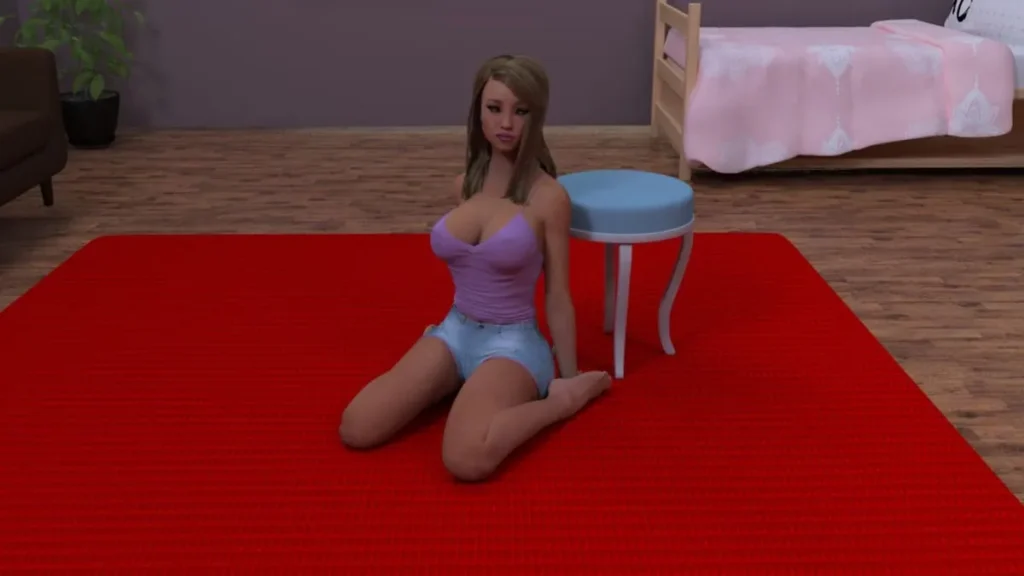

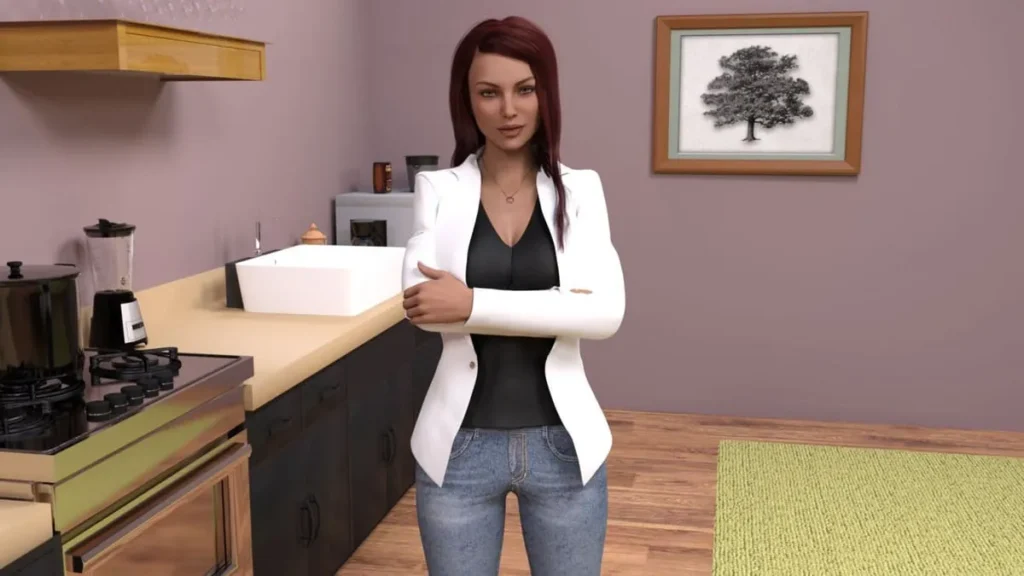
Summer with Mia review
Dive into lust, choices, and steamy summer adventures
Imagine kicking back after a long college semester, only to dive headfirst into a wild summer with Mia that blends sly seduction, clever tricks, and unexpected laughs. Summer with Mia pulls you into the shoes of a 20-year-old guy whose urges lead to a debaucherous tale of lust and maybe even love. From customizable relationships to a sneaky panic button for those awkward moments, this visual novel keeps you hooked with its lengthy gameplay and stunning character designs. I’ve spent hours exploring its branches, and let me tell you, it’s a rollercoaster of choices that feel personal and thrilling. Ready to uncover what makes Summer with Mia a standout adult adventure?
What Makes Summer with Mia an Addictive Summer Escape?
Ever had one of those summers where the days just… drag? ☀️ Last year, I was stuck in a rut, bored out of my mind between semesters, scrolling through endless game stores. That’s when I stumbled upon what is Summer with Mia. I was just looking for a distraction, but what I found was a full-blown, laugh-out-loud, can’t-put-it-down escape. This visual novel Summer with Mia completely hijacked my free time, and I’m here to tell you why it might just be the perfect game for your next lazy afternoon.
At its heart, Summer with Mia is about throwing caution to the wind and embracing a hilarious, lust-filled adventure. It’s not about grand world-saving epics; it’s about the electric, awkward, and wildly fun connection between two people sharing a roof. If you’ve ever wanted to dive into a story where your decisions steer the mood from playful trickery to genuine romance, you’ve hit the jackpot. Let’s break down what makes this game so incredibly addictive.
Who Is the Protagonist and What’s His Wild Mission?
So, who are you in this sun-soaked story? You step into the shoes of the Summer with Mia protagonist, a 20-year-old college guy whose summer plans have officially flatlined. 🎓 He’s supposed to be studying, but let’s be real—his focus is elsewhere, and his drives are running high. I immediately connected with his devil-may-care attitude; he’s not a hero, he’s just a dude presented with a golden (and very tempting) opportunity.
The core Summer with Mia story kicks off on a classic “boring night in.” You’re trying to study, your roommate Mia is just there, and one thing leads to another—a bet, a trick, a spark of something more. Suddenly, your quiet summer is anything but. Your mission, should you choose to accept it, isn’t to save the world. It’s to navigate this sudden, intense situation with Mia, balancing laugh-out-loud moments with genuine, steamy connection. The beauty of the Summer with Mia gameplay is how it frames this personal journey as the most important mission of your summer.
The game gives you a fascinating layer of control right from the start: defining your relationship to Mia. This isn’t just cosmetic; it tweaks the narrative’s flavor. Are you step-siblings, adding a layer of forbidden tension to your shared home? Or are you old friends, where this new dynamic threatens a deep history? This initial choice personalizes the entire experience, making the Summer with Mia story feel uniquely yours.
How Do Player Choices Shape Your Steamy Storyline?
This is where the magic happens. The Summer with Mia gameplay revolves around your Summer with Mia choices. While the overall narrative path has a clear direction, your decisions act as the steering wheel, controlling the speed, the mood, and the destination of your relationship with Mia. 🛤️
Think of it less like choosing between entirely different roads and more like deciding how you drive down a scenic coastal highway. Do you stop at every lookout point for a deep, flirty conversation? Or do you put the pedal down, aiming for the thrills? Your choices influence:
* The pace of your relationship with Mia.
* The tone of scenes—are they more playful, romantic, or daring?
* Key moments of interaction that make your playthrough feel distinct.
For example, in my first playthrough, I chose the “romantic” option whenever I could. This led to sweeter, more build-up moments that made the payoffs feel earned. On another run, I embraced the “direct” options, leading to a much cheekier and bold dynamic full of laughter and mischief. It’s this reactivity that makes the visual novel Summer with Mia so replayable.
A major, and famously controversial, choice is the NTR (Netorare) option. Turning this on or off doesn’t create a wholly separate story, but it meaningfully branches the narrative. It replaces certain dialogues and scenes, presenting alternative challenges and emotional hurdles for the protagonist. It’s a bold feature that lets you tailor the story’s drama to your taste.
To see how these foundational choices compare, check out this breakdown:
| Option | Story Branch Impact | Pros | Cons |
|---|---|---|---|
| Step-Family | Alters background context and adds a layer of “forbidden” tension to dialogues and inner thoughts. | Creates higher stakes and more dramatic internal conflict. Makes cohabitation feel more charged. | Might not appeal to players seeking a more straightforward friends-to-lovers tale. |
| Friends / Roommates | Focuses the story on a shifting dynamic between equals, risking a cherished friendship. | Feels more natural and relatable. The history adds depth to their playful teasing. | Lacks the extra narrative tension of the familial complication. |
| NTR Option ON | Replaces specific scenes and dialogues, introducing external romantic rivals and different emotional challenges. | Adds significant drama, conflict, and a “fight for her” element. Great for players seeking a more stressful, dramatic story. | Can be frustrating or create anxiety. May not suit a purely wish-fulfillment playthrough. |
| NTR Option OFF | Removes rival elements, keeping the story focused solely on the protagonist’s direct relationship with Mia. | Provides a smoother, more focused romantic or steamy progression. Less stress, more personal connection. | The story has fewer external obstacles, which some may find less dramatically engaging. |
The real strength of these Summer with Mia choices is that they feel meaningful within the context of the story. You’re not deciding the fate of kingdoms; you’re deciding how to act in a vulnerable, intimate moment. And that, somehow, feels even more important.
Why the Panic Button Saves Your Play Sessions
Let’s talk about a genius feature: the Summer with Mia panic button. We’ve all been there—immersed in a game when someone walks into the room unexpectedly. 🚨 In a story-driven game like this, that can be a recipe for instant, awkward embarrassment.
The developers of this visual novel Summer with Mia are clearly players at heart, because they included the ultimate “oh crap” solution. A simple press of a key (usually the ‘P’ key) instantly replaces your screen with a completely innocuous, hilarious image—like a Doge meme in space. 🐕✨ It’s a seamless, instant cloak for your gameplay. One second you’re deep in the Summer with Mia story, the next you’re just a person looking at a silly meme. It’s a small feature, but it provides immense peace of mind, allowing you to fully immerse yourself in the Summer with Mia gameplay without one eye on the door.
Pro Tip: Find that panic button key as soon as you start playing. It’s your guardian angel for uninterrupted, stress-free sessions.
This attention to the player’s real-world experience shows a deep understanding of the genre. It removes the single biggest barrier to relaxation and lets you commit to the adventure unfolding on screen.
Putting It All Together: A Sample Escape
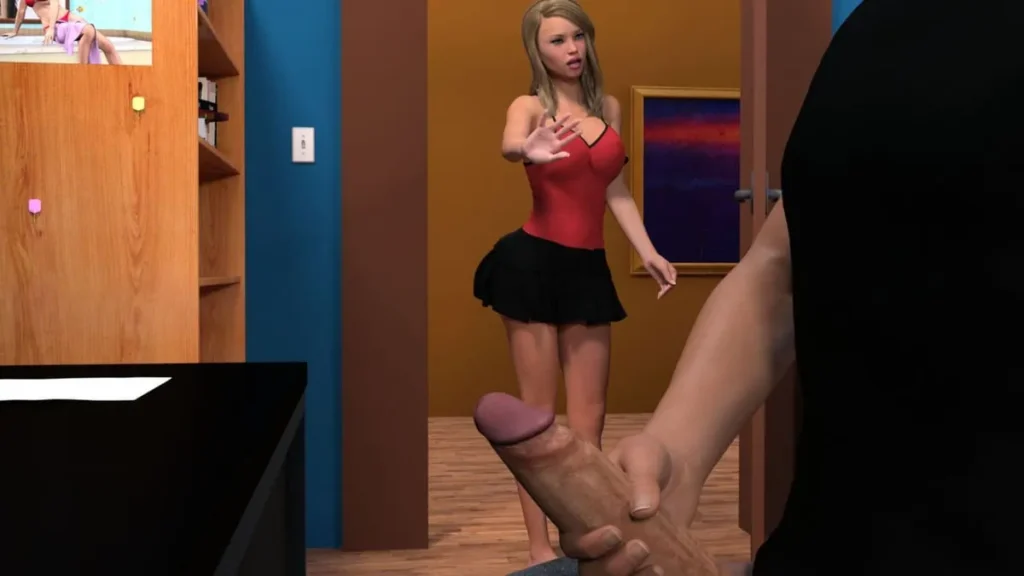
So, what does a typical playthrough look like? Let me describe one of my favorite sessions. I started as Mia’s stepbrother, with the NTR option off—I wanted a focused, tension-filled story. The Summer with Mia protagonist’s internal monologue was immediately funnier, tinged with that “we really shouldn’t” vibe. I made choices that leaned into playful trickery, leading to a scene where I pretended the internet was out just to spend more time with her. The writing had me genuinely laughing at the absurdity of the situation. The gorgeous, detailed character art brought every smirk and eye-roll to life. Before I knew it, over two hours had vanished. That’s the power of the Summer with Mia gameplay—it’s a masterclass in immersion.
With an average playtime of 5.3 hours for the main story, it’s a perfect commitment. It’s long enough to feel substantial and develop its characters deeply, but not so long that it becomes a daunting task. It’s the ideal length for a weekend dive or a few nightly escapes.
Why It’s the Ultimate Immensive Escape
Summer with Mia works because it knows exactly what it is: a fun, steamy, character-driven getaway. It doesn’t overcomplicate things. It gives you a relatable situation, a charming (and disarmingly direct) love interest, and just enough control to feel like the author of your own summer fling. The Summer with Mia story is well-written, balancing humor and heat perfectly. The characters feel real, the choices matter to the vibe, and the panic button is a QoL masterpiece.
It’s the perfect game for when you want to disconnect from the real world and lose yourself in a story that’s all about impulse, connection, and living in the moment. It’s the video game equivalent of a page-turning beach novel—and I mean that in the best way possible. So, if you’re wondering what is Summer with Mia really about, it’s about having a frankly great time. Your own lust-filled, choice-driven, hilarious summer adventure is waiting.
Summer with Mia Quick FAQ
How long is Summer with Mia?
The core Summer with Mia gameplay takes an average of 5.3 hours to complete. Your mileage may vary slightly based on your reading speed and how much you linger on the beautiful artwork!
Does Summer with Mia have multiple endings?
The game focuses on a central narrative path, but your Summer with Mia choices significantly alter the journey, the relationship dynamics, and key scenes. Think of it as different versions of the same amazing summer, rather than completely separate endings.
What is the NTR option?
This is a story toggle that alters certain plot elements. Turning it on introduces romantic rivals and different dramatic challenges, changing some scenes and dialogues. Turning it off keeps the story focused solely on your character’s direct relationship with Mia.
Is the panic button customizable?
In the standard version, the Summer with Mia panic button typically brings up a pre-set humorous image (like the Doge in space). The key itself is often fixed, but the feature is designed for instant, reliable use.
Do I need to play visual novels to enjoy this?
Not at all! The visual novel Summer with Mia is a fantastic entry point to the genre. Its straightforward choice system, engaging story, and clear goals make it very accessible and easy to get hooked on.
Summer with Mia delivers a thrilling mix of lust-driven plots, smart choices, and laugh-out-loud moments that make it a must-play for visual novel fans craving summer escapism. From the protagonist’s sly schemes to the clever panic button, every element pulls you deeper into its world of trickery and connection. Whether you go for steamy branches or heartfelt paths, my own dives into the game left me replaying for those perfect outcomes. Grab it now, hit play, and let this debaucherous adventure heat up your downtime—your next favorite story awaits!